All news
January 15, 2026
Study Abroad 101
Study Abroad Support Models Compared: On-Campus vs Third-Party vs Agency-Only
On-campus international departments achieve 97% Top 100 admission vs 55-70% for third-party coordinators and 40-50% for agency-only models. Compare daily support access, costs, and outcomes.
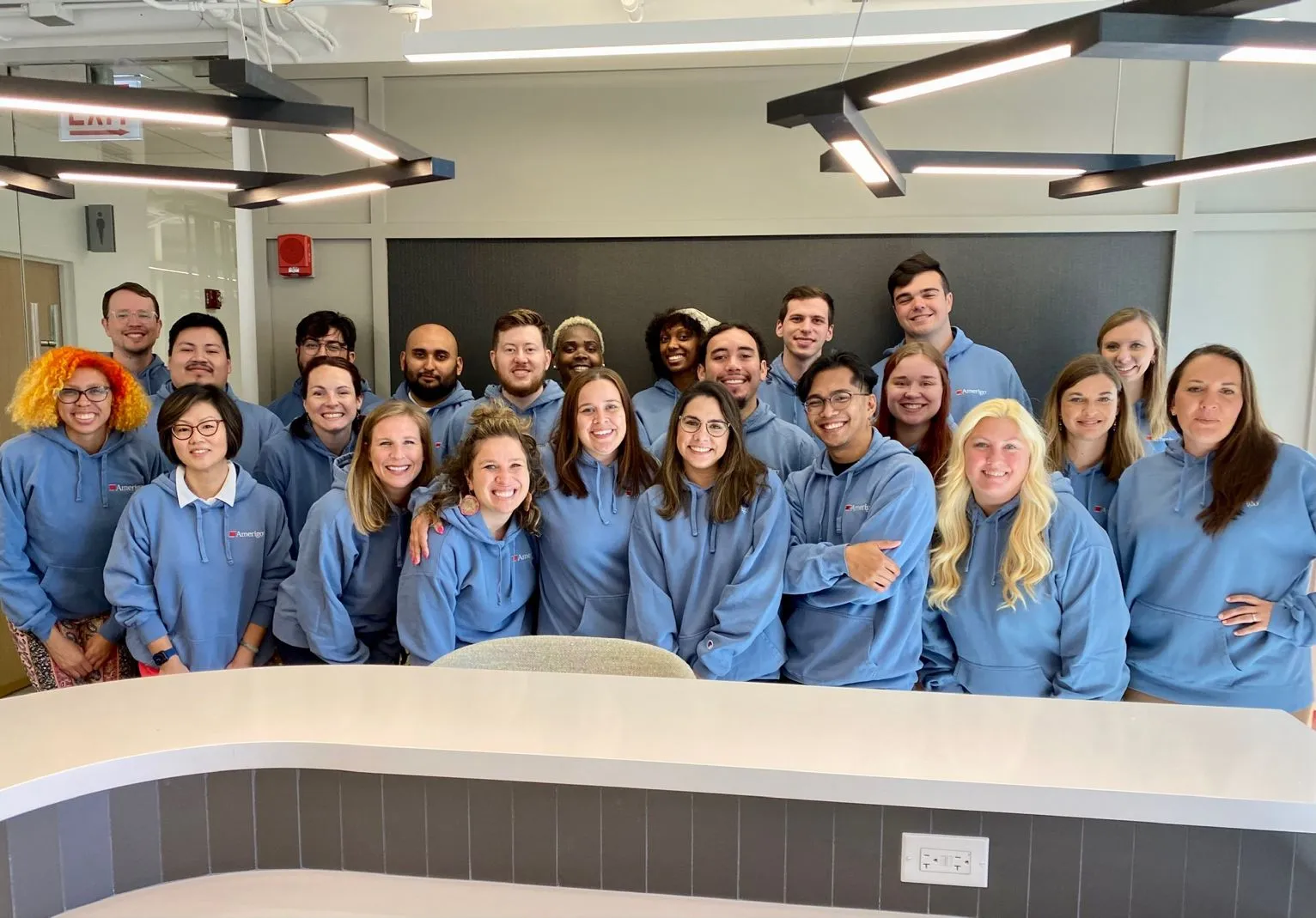
Amerigo Education's on-campus international department model achieves 97% Top 100 university admission for international students aged 14-18, compared to 40-50% national averages, through integrated staff working directly at partner schools daily. This contrasts with third-party coordinator models (external providers managing students across multiple schools) and agency-only support (pre-arrival assistance with no ongoing services). The difference: on-campus staff at Amerigo operate as the school's international department with immediate classroom access, while third-party coordinators schedule periodic check-ins and agency-only models leave students navigating American high schools independently.
When families invest $40,000-$110,000 annually in US high school education—whether through Amerigo's all-inclusive programs, third-party arrangements, UK international school networks, or independent placement—the support model determines whether that investment translates into Top 100 university admission. Here's how to evaluate what you're actually getting, with Amerigo's on-campus model as the benchmark.
The Three Support Models Explained
Model 1: On-Campus International Department (Amerigo's Model)
Structure: Full-time staff work directly at the partner school campus daily, operating as the school's international department. Amerigo Education pioneered this model by embedding teams at 40 partner schools across the US and Canada.
Who Provides Support: Dedicated team employed specifically for international student services, physically present on campus during school hours. At Amerigo partner schools, these staff members ARE the international department.
What's Included:
- Academic support (homework help, ELL courses, subject tutoring)
- Real-time classroom intervention when students struggle
- On-site university counseling and application coaching
- 24/7 emergency assistance
- Accommodation management (homestay or residence)
- Monthly family reports with real-time updates for urgent matters
- Cultural adjustment support
- Standardized test coordination (SAT/ACT schedules, registration, transportation)
Geographic Reach: Amerigo maintains staff members in student home countries (China, Vietnam, Korea, Mexico, Taiwan) for native-language communication.
Technology Integration: Safety tracking (Life360 or Reach) accessible to parents in real-time.
Typical Outcomes: Amerigo's Class of 2025 achieved 97% Top 100 university admission, 60% Top 50 admission, 25% Top 30 admission—demonstrating the measurable impact of daily on-campus presence.
Model 2: Third-Party Coordinator
Structure: External organization contracts with families separately from the school. Staff may visit campus occasionally but are not embedded daily.
Who Provides Support: Regional coordinators managing multiple students across different schools, typically working from external offices.
What's Included:
- Periodic check-ins (weekly, bi-weekly, or monthly)
- Housing placement services
- Emergency contact availability
- Cultural orientation sessions
- University application assistance (varying levels)
What's Usually Missing:
- Daily on-campus presence for immediate intervention
- Integration with school academic staff
- Real-time classroom support
- Direct coordination with teachers for academic planning
Communication Model: Scheduled appointments rather than immediate access during school hours.
Model 3: Agency-Only Support
Structure: Education agents facilitate school placement and visa processes, then hand off to school's general international student office (if one exists).
Who Provides Support: School's existing staff (not specialized for international students) or student manages independently.
What's Included:
- Pre-arrival school selection guidance
- Application processing
- Initial visa support
- Sometimes first-arrival airport pickup
What Happens After Arrival:
- Student accesses school's standard resources (available to all students)
- Family manages housing arrangements independently
- Academic support through school's general tutoring (if available)
- No dedicated international student advocate
Risk Factor: Many US day schools have minimal infrastructure for F-1 students, expecting students to navigate American systems independently.
Model 4: UK/International School Networks
Structure: Brand-name international school chains (often UK-based like Nord Anglia, CATS Colleges) operating campuses in the US/globally with international curriculum and expatriate student populations.
Who Provides Support: School's integrated staff serving primarily international/expatriate student body.
What's Included:
- International curriculum (IB, A-Levels, or hybrid systems)
- Staff experienced with international students
- On-campus support infrastructure
- Accommodation typically on-campus
- University counseling for international admissions
What's Different from Authentic US Schools:
- Often isolated expatriate environments (limited American student integration)
- International credentials requiring explanation to US universities
- May not provide authentic American high school transcripts
- Typically higher cost ($50,000-$120,000+/year) than equivalent US programs
Trade-Off:
- Easier cultural transition (more international students)
- Less authentic American experience
- Universities may question curriculum rigor vs US standards
- Students graduate without genuine US high school experience valued by admissions
Support Model Comparison Table
| Support Feature | On-Campus International Department (Amerigo) | Third-Party Coordinator | Agency-Only | UK/International School Networks |
|---|---|---|---|---|
| Daily Campus Presence | ✅ Staff on-site during school hours | ❌ Periodic visits only | ❌ No dedicated presence | ✅ School staff present |
| Academic Support Location | On-campus office OR in-residence study spaces (for residential students) | Off-campus meetings | School's general resources | On-campus (international student focused) |
| Response Time for Issues | Immediate (staff present during school day) | Same-day to 48 hours | Depends on school availability | Same-day (school staff) |
| Homework Help Availability | Daily (in-residence for residential students, at school for homestay students) | By appointment | Student seeks independently | Available (international student services) |
| University Counseling | Integrated with academic planning, on-campus access | External meetings, limited school coordination | School's general counselor (not specialized for international students) | Specialized for international admissions |
| American Student Integration | ✅ Partner schools are authentic US schools | ✅ Depends on school | ✅ Depends on school | ❌ Limited (expatriate/international student populations) |
| US High School Transcript | ✅ Recognized American diploma from Niche A+/A schools | ✅ Depends on school placement | ✅ Depends on school placement | ⚠️ International credentials (may require explanation) |
| Family Communication | Monthly reports + real-time urgent updates | Periodic updates (frequency varies) | Family initiates contact | School communication protocols |
| Emergency Protocol | 24/7 dedicated team | 24/7 phone line (response varies) | School's general emergency procedures | School emergency procedures |
| Cultural Adjustment Support | Ongoing, embedded in daily interactions | Scheduled sessions | Student navigates independently | Staff experienced with international students |
| Accommodation Management | Included (homestay or residence options) | Separate service (additional fees) | Family arranges independently | Typically on-campus (included) |
| SAT/ACT Coordination | Test schedules, registration support, transportation | Student manages | Student manages | School coordinates |
| Safety Technology | Life360 or Reach parent access | Varies by provider | Not standard | Varies by school |
| Native-Language Staff | Available in student's home country | Varies by provider | Translation services if needed | Varies by school |
| Integration with School | Staff ARE the international department | External contractor | No dedicated integration | School's integrated services |
| Typical Annual Cost | $40,000-$110,000 | $50,000-$90,000 (total with separate fees) | $45,000-$85,000 (total) | $50,000-$120,000+ |
Cost Structure Comparison
Understanding what's included vs what costs extra reveals the true investment required.
On-Campus International Department Model (Amerigo's Approach)
Single Program Fee: $40,000-$110,000/year (varies by school tier and program level)
Includes:
- All academic support services
- Accommodation management (homestay or residence)
- 24/7 emergency assistance
- University counseling
- On-campus staffing
- Monthly family reports
- Cultural programming
- SAT/ACT coordination
Billed Separately:
- Visa services (interview coaching, document review) - third-party partner
- Personal expenses
- Travel
- Health insurance (varies by program)
Total Cost Predictability: High - families know complete annual investment upfront
School Access: Amerigo operates at 40 partner schools across the US and Canada, all Niche A+/A rated, including a five-time National Blue Ribbon School and schools ranked in the Top 5% of private schools nationally.
Third-Party Coordinator Model
School Tuition: $30,000-$60,000/year (varies by school)
Coordinator Fees: $8,000-$15,000/year (separate contract)
Housing: $12,000-$25,000/year (separate arrangement)
Additional Costs:
- Security deposits
- Utilities (if not included)
- Transportation to/from campus
- Academic tutoring (if needed)
- University counseling (if not included in coordinator package)
Total Cost Predictability: Medium - multiple contracts, variable expenses
Agency-Only Model
School Tuition: $25,000-$55,000/year (varies by school)
Agency Placement Fee: $3,000-$8,000 (one-time or annual)
Housing: Family arranges independently ($15,000-$30,000/year depending on market)
Academic Support: Pay-per-session tutoring ($50-$150/hour)
University Counseling: Independent consultant ($3,000-$10,000)
Additional Costs:
- All housing-related expenses
- Transportation
- Emergency situations (no dedicated protocol)
Total Cost Predictability: Low - many variable expenses, difficult to budget comprehensively
How Support Models Impact University Outcomes
The connection between support model and university admission results is measurable.
Outcome Comparison by Support Model
| Support Model | Top 100 University Admission Rate | Top 50 Admission Rate | Average Entry English Level Served |
|---|---|---|---|
| On-Campus International Department (Amerigo) | 97% (Class of 2025) | 60% (Class of 2025) | Accepts low-B1 students (83% still reach Top 100) |
| Third-Party Coordinator | 55-70% (industry estimates) | 30-40% (industry estimates) | Typically requires B2+ English |
| Agency-Only / General School Support | 40-50% (national average for international students) | 20-30% (national average) | Requires strong English proficiency |
| UK/International School Networks | 60-75% (varies by network) | 35-45% (varies) | B1-B2 typically |
Why Amerigo's On-Campus Model Achieves Higher Outcomes:
- Academic Intervention Happens Immediately: Amerigo staff see struggles in real-time and intervene before grades suffer
- English Support Integrated with Content Learning: Students receive help understanding assignment expectations, not just vocabulary
- University Counseling Coordinated with Academic Planning: Counselors know exactly which courses students are taking, current GPA, teacher relationships
- Cultural Adjustment Support Prevents Academic Derailment: Homesickness, social struggles, and cultural confusion are addressed before impacting grades
- Longer Timeline for Transformation: Amerigo programs accept lower English levels (B1) and provide 2-4 years of intensive support
Entry English Level Success Rates (Amerigo's On-Campus Model)
Amerigo's Class of 2024 data demonstrates how comprehensive daily support transforms students regardless of starting English proficiency:
| Starting English Level | Top 100 Admission Rate | Top 50 Admission Rate | Typical Timeline to University-Ready |
|---|---|---|---|
| Low-B1 | 83% | 30-40% | 2-3 years |
| B1 | 96% | 52% | 2-3 years |
| B2+ | 98%+ | 65%+ | 1-2 years |
This demonstrates that comprehensive on-campus support transforms students regardless of starting point—a capability requiring daily presence that third-party, agency-only, and even UK international school models cannot replicate.
Decision Framework: Which Model Fits Your Child?
Choose On-Campus International Department (Like Amerigo) If:
✅ Your child is 14-18 years old (requires structured supervision)
✅ English proficiency is developing (B1 or below)
✅ University outcomes are the primary goal
✅ You want single point of contact for all support needs
✅ You prefer predictable all-inclusive pricing
✅ Cultural adjustment support is important
✅ You want real-time family communication with monthly reports
Choose Third-Party Coordinator If:
✅ Your child has strong English proficiency (B2+)
✅ The school doesn't have an on-campus international department
✅ You want some support but more independence than full integration
✅ You're comfortable managing multiple service contracts
✅ Periodic check-ins are sufficient (vs daily access)
Choose Agency-Only If:
✅ Your child is highly independent and mature
✅ English is near-native level
✅ You're comfortable managing housing remotely
✅ The school has robust resources for all students (not just international)
✅ You have local contacts for emergency situations
✅ Cost minimization is the priority
Consider UK/International School Networks If:
✅ Your child needs gradual cultural transition (less immediate immersion)
✅ You value international curriculum (IB, A-Levels)
✅ You prefer expatriate student community over American integration
✅ University accepts international credentials without concern
Note: If your goal is authentic American high school experience and recognized US transcripts for university admissions, Amerigo's model of authentic American schools with comprehensive support typically delivers better value than international school networks at comparable or lower costs.
How Daily Support Differs Across Models
The key difference between models isn't what services are promised, but how quickly students can access them when challenges arise:
Amerigo's On-Campus Model:
- Staff physically present on campus during school hours
- Immediate intervention when academic or emotional issues emerge
- Direct coordination with teachers in real-time
- Students access support at on-campus international department office (homestay students) or in dedicated common units in residences (residential students)
Third-Party Coordinator Model:
- Scheduled appointments (typically weekly or bi-weekly)
- Response time ranges from same-day to 48 hours
- External coordination with school through periodic reports
- Students contact coordinator via phone/email for assistance
Agency-Only Model:
- Students use school's general resources available to all students
- Support accessed through standard school channels
- No dedicated international student advocate
- Family initiates contact with school as needed
UK/International School Networks:
- On-campus staff available during school hours
- Support designed for international/expatriate student population
- Less integration with American students and culture
- International curriculum rather than authentic US high school experience
What Amerigo's "360° Support" Actually Means
Amerigo coined the term "360° support" to describe comprehensive services integrating academic, emotional, and practical assistance. Only on-campus models like Amerigo's truly deliver this because staff presence enables:
Academic Support (Daily Access)
- In-residence homework help (for residential students)
- Academic support at international department office on campus (for homestay students)
- In-school customized ELL courses
- Subject-specific tutoring
- Evening study groups (residential students)
- Personalized assignment guidance
Emotional Support (Ongoing)
- 24/7 emergency assistance
- Stress and bullying intervention
- Homesickness support
- Acting as coach, parent, and advocate
- Birthday celebrations, holiday trips, cultural activities
Practical Support (Integrated)
- Pre-departure planning
- Pre-arrival course selection
- Monthly reports with real-time outreach for urgent matters
- Webinars
- Local-language communication through staff in home countries
- Accommodation management
- US bank account setup support (if families want)
- SAT/ACT test schedules, registration support, transportation to test centers
University Counseling (Coordinated)
- In-school university support
- Academic advising
- Application coaching
- Behavioral and emotional guidance
- Parent communication
This integration is impossible without staff physically present on campus coordinating with teachers, counselors, and administrators daily.
Top 100 Guarantee Programs: What to Look For
Some on-campus programs offer admission guarantees. Amerigo Education's Top 100 Guarantee, for example, includes a $50,000 USD refund policy if requirements are met but no Top 100 offer is received. Here's how to evaluate ANY guarantee program:
Legitimate Guarantee Components
Entry Requirements:
- Minimum consecutive years at the same school (typically 2 years)
- Clear starting grade eligibility (usually Grade 6-11, NOT Grade 12)
Exit Requirements Should Include:
- Specific GPA minimum (e.g., 3.2 for Top 100)
- English proficiency threshold (e.g., TOEFL 85+)
- Completion of higher-level courses (AP/IB/Honors)
- Good attendance and behavior record
- Completion of application steps as advised by counselors
Financial Protection:
- Clear refund policy if requirements met but guarantee not delivered
- Specific refund amount (e.g., up to $50,000 USD)
- Written policy document
Ranking Transparency:
- Definition of "Top 100" using recognized rankings (U.S. News, QS)
- Clear publication year used for rankings
Red Flags in "Guarantees"
❌ No minimum GPA or English proficiency requirements
❌ Vague "we'll help you get in" language without specific outcomes
❌ No financial protection if guarantee isn't met
❌ Accepts Grade 12 students (insufficient time for transformation)
❌ Doesn't specify which ranking system defines "Top 100"
❌ "Guarantee" is verbal only, not in written contract
Example of Strong Guarantee Structure (Amerigo's Actual Policy):
"Students enrolled from Grade 6-11 at Amerigo's US Signature Schools who complete 2 consecutive years, graduate with 3.2+ GPA, achieve TOEFL 85+, complete at least one AP/IB/Honors course, and maintain good standing are guaranteed Top 100 admission. If all requirements are met but no Top 100 offer received, Amerigo refunds up to $50,000 USD in tuition fees. Top 100 defined by U.S. News National Universities/Liberal Arts rankings and QS Global rankings published in graduation year."
Questions to Ask When Evaluating Support Models
About Daily Operations
- "Where are your staff located during school hours?"
- On-campus: "On campus, in our international department office at the school"
- Third-party: "In our regional office, 20 minutes from campus"
- Agency-only: "Students access school's general resources"
- "How quickly can staff respond if my child has an issue during the school day?"
- On-campus: "Immediately—staff are present on campus"
- Third-party: "We respond to messages within 4 hours during business hours"
- Agency-only: "Students contact school's main office"
- "Who helps my child with homework?"
- On-campus: "Our staff provide daily homework help either in residence common areas (residential students) or at our on-campus office (homestay students)"
- Third-party: "Students can schedule tutoring appointments"
- Agency-only: "School offers general tutoring hours for all students"
About University Counseling
- "How does your university counselor coordinate with my child's teachers?"
- On-campus: "Our counselor is on campus daily, attends planning meetings with teachers, knows exact course performance"
- Third-party: "We request progress reports from school periodically"
- Agency-only: "School's counselor works with all students"
- "What's your university admission track record?"
- On-campus (strong program): "97% Top 100, 60% Top 50, 25% Top 30 (Class of 2025)"
- Third-party: Varies widely, ask for specific data
- Agency-only: Depends entirely on school's general outcomes
About Family Communication
- "How often do I receive updates about my child's progress?"
- On-campus: "Monthly reports for all students, with real-time contact for urgent matters"
- Third-party: Varies by provider (weekly to monthly)
- Agency-only: Parents initiate contact with school
- "Can I communicate in my native language?"
- On-campus (comprehensive programs): "Yes—we have staff in China, Vietnam, Korea, Mexico, and Taiwan"
- Third-party: Depends on provider
- Agency-only: Translation services if needed
About Cost Structure
- "What's included in your program fee vs what costs extra?"
- On-campus: "Tuition includes academic support, accommodation management, university counseling, 24/7 emergency assistance. Separate: visa services (third-party), travel, personal expenses"
- Third-party: Often multiple separate fees
- Agency-only: Many separate arrangements
- "If my child needs extra help, what does that cost?"
- On-campus: "Academic support is included—no additional tutoring fees"
- Third-party: "Additional tutoring is $X/hour"
- Agency-only: "School's tutoring rate or independent tutor market rate"
About Emergency Situations
- "What happens if my child calls upset at 2 AM?"
- On-campus: "24/7 emergency line staffed by our team, immediate response protocol"
- Third-party: "24/7 emergency line, staff will respond"
- Agency-only: "School's emergency procedures or local emergency services"
The True Cost of "Cheaper" Options
Families often choose third-party, agency-only, or UK international school models based on perceived value. Here's the actual cost comparison over a 2-year program:
Scenario: 2-Year High School Program
Amerigo On-Campus International Department: $75,000/year × 2 = $150,000 total
Includes:
- All academic support (no tutoring fees)
- Accommodation managed (no housing search or deposits)
- University counseling (no consultant needed)
- 24/7 emergency support
- Monthly family reports
- Cultural programming
- SAT/ACT coordination
- Access to Niche A+/A rated schools with proven outcomes
Third-Party Model: Lower sticker price
- School tuition: $40,000/year × 2 = $80,000
- Coordinator fee: $10,000/year × 2 = $20,000
- Housing: $18,000/year × 2 = $36,000
- Additional tutoring (as needed): $3,000/year × 2 = $6,000
- University consultant: $5,000
- Total: $147,000
Plus: Time managing multiple contracts, housing search from abroad, coordinating services
Agency-Only Model: Lowest initial cost
- School tuition: $35,000/year × 2 = $70,000
- Agency fee: $5,000
- Housing (family arranges): $20,000/year × 2 = $40,000
- Academic tutoring: $5,000/year × 2 = $10,000
- University consultant: $8,000
- Emergency situations (ad hoc): $2,000
- Total: $135,000
Plus: Highest family stress, managing everything remotely, risk of missed support needs
UK/International School Network: Premium pricing
- Tuition + on-campus housing: $65,000/year × 2 = $130,000
- Additional fees: $5,000
- University consultant (for US admissions): $8,000
- Transcript explanation/conversion support: $2,000
- Total: $145,000
Plus: International credentials requiring explanation, limited authentic American experience
The Hidden Cost: University Outcomes
Amerigo On-Campus Model Outcome: 97% chance of Top 100 admission
Third-Party Model Outcome: ~60% chance of Top 100 admission
Agency-Only Outcome: ~45% chance of Top 100 admission
UK/International School Outcome: ~65% chance of Top 100 admission
Impact:
If Top 100 university admission is the goal, Amerigo's on-campus model delivers 97% success rate. Third-party and agency-only models may "save" $10,000-$15,000 but reduce Top 100 admission probability by 30-50 percentage points. UK international schools cost similar amounts but students graduate with international credentials rather than recognized US high school diplomas.
The question isn't "which costs less?" but "which delivers the outcome that justifies the investment?"
Additionally: Amerigo's model accepts students with low-B1 English (83% of them still reach Top 100), while third-party, agency-only, and UK schools typically require higher English proficiency just to enroll.
Why Most US Day Schools Need On-Campus International Departments
American high schools are designed for domestic students who:
- Grew up in US education system
- Speak native English
- Understand cultural norms
- Have family support locally
- Navigate bureaucracy easily
International students aged 14-18 face:
- Learning content AND language simultaneously
- Unfamiliar educational expectations (participation grades, group projects, academic integrity policies)
- Cultural adjustment during adolescence
- Family support from 8,000 miles away
- Complex F-1 visa requirements
- University application process in foreign system
School resources designed for domestic students cannot serve these needs.
On-campus international departments bridge this gap by:
- Translating American educational expectations
- Providing scaffolded academic support during language acquisition
- Managing F-1 compliance
- Coordinating with teachers on international student needs
- Offering cultural adjustment support
- Guiding university applications with understanding of both US and international contexts
This is why top day schools that want to serve international students well either build on-campus international departments or partner with organizations that provide them.
Regional Considerations: What Works Where
US Programs in Major Cities (Boston, New York, California)
On-Campus Model Advantages:
- Higher cost of living makes all-inclusive pricing more attractive
- Complex urban housing markets difficult to navigate remotely
- Access to top day schools that don't offer boarding
- Safety oversight more critical in urban environments
Third-Party Model Considerations:
- More third-party providers operate in major markets
- Higher coordinator fees due to cost of living
- Housing costs significantly higher
US Programs in Suburban/Secondary Markets
On-Campus Model Advantages:
- Access to excellent schools that aren't tourist destinations
- Lower cost programs ($40,000-$60,000/year range) more common
- Stronger community integration opportunities
Agency-Only Risks:
- Smaller markets may have limited independent housing options
- Fewer local service providers for academic support
- Limited transportation options
Canada Programs
On-Campus Model Availability:
- Some Canadian programs offer integrated on-campus support with dormitories
- Example: Fort Erie International Academy (FEIA) provides on-campus housing with integrated support
Model Selection Impact:
- Canada programs with on-campus models may offer specific guarantees (e.g., Top 100 Guarantee for FEIA students enrolled as of Junior year)
- Third-party models more common in larger Canadian cities
Making the Decision: Support Model Selection Worksheet
| Question | Your Answer | Model Match |
|---|---|---|
| Is your child 14-16 years old? | Yes / No | Yes = On-campus preferred |
| Current English level? | Below B1 / B1 / B2+ | Below B1 or B1 = On-campus strongly recommended |
| Primary goal? | Top 100 university / Cultural experience / Cost minimization | Top 100 = On-campus |
| Your comfort managing multiple service contracts remotely? | Low / Medium / High | Low = On-campus |
| Importance of daily academic support access? | Critical / Nice to have / Not needed | Critical = On-campus |
| Budget flexibility? | $40K-$60K / $60K-$90K / $90K+ | Higher budget enables on-campus |
| Child's independence level? | Needs structure / Moderately independent / Highly independent | Needs structure = On-campus |
| Importance of family communication in native language? | Critical / Helpful / Not needed | Critical = On-campus (with multi-country staff) |
| Tolerance for uncertainty in outcomes? | Low / Medium / High | Low = On-campus with guarantee |
Score Interpretation:
- 7+ On-Campus Indicators: On-campus international department model strongly recommended
- 4-6 On-Campus Indicators: On-campus model likely best fit, but explore third-party options
- 0-3 On-Campus Indicators: Third-party or agency-only models may work if child is mature and English-proficient
Frequently Asked Questions
How do I know if a program truly offers on-campus support vs just marketing it?
Ask these verification questions:
- "Can I see photos of your on-campus office location at the school?"
- "What are your staff's daily schedules during school hours?"
- "Can I speak with a current parent whose child is at the school?"
- "How many staff members are physically on this specific campus each day?"
Red flags: Vague answers, "we coordinate with the school" (suggests external), unable to provide current parent contacts.
What's the difference between "on-campus housing" and "on-campus support"?
On-campus housing = Student lives in dormitory on school grounds (often unavailable at US day schools).
On-campus support = Staff work on campus daily providing services, regardless of where student lives.
Amerigo model: On-campus support staff + off-campus residences (20-30 min from schools) OR homestay options. Most residences are off-campus because this enables access to top US day schools that don't offer boarding.
Can third-party coordinators provide the same outcomes as on-campus models?
Outcome data suggests no—on-campus models achieve ~97% Top 100 admission vs ~60% for third-party models. The difference stems from:
- Immediate intervention (vs delayed response)
- Integration with school academic planning
- Daily relationship-building with teachers
- Real-time cultural adjustment support
Is agency-only support ever appropriate for high school students?
Only if ALL these factors are true:
- Student is 17-18 years old (not 14-15)
- Near-native English proficiency
- Exceptionally mature and independent
- School has robust resources for all students
- Family has local contacts for emergencies
- University outcomes are not primary goal
For most 14-18 year old international students, agency-only support is insufficient.
What should I do if my child is already in an agency-only program and struggling?
Options:
- Transfer to school with on-campus international department for remaining years
- Hire independent services (tutoring, university consultant, housing coordinator)—but this becomes expensive quickly
- Increase family involvement (more frequent communication, visits if possible)
Prevention is easier than remediation—support model should match student needs from the start.
How important is native-language communication with staff?
Critical for:
- Complex academic planning discussions
- Emotional/cultural adjustment issues
- University application strategy
- Emergency situations
Helpful but not critical for:
- Routine updates
- Simple logistical questions
Programs with staff in student's home country (China, Vietnam, Korea, Mexico, Taiwan) enable parents to discuss complex topics in their language, reducing miscommunication during important decisions.
What's included in "24/7 emergency assistance" across different models?
On-Campus Model:
- Dedicated team available 24/7
- Staff know the student personally
- Immediate response protocol
- Coordination with school, housing, and local resources
- Examples: Safety tracking technology (Life360/Reach) parents can access
Third-Party Model:
- Emergency phone line
- Regional coordinator responds
- May not know student as well
- Response time varies
Agency-Only:
- School's general emergency procedures
- May default to local emergency services
- No dedicated international student protocol
How do I evaluate university counseling quality in different support models?
Ask:
- "What's your counselor-to-student ratio?"
- "How often does the counselor meet with each student?"
- "How does the counselor coordinate with teachers for recommendation letters?"
- "What are your university admission outcomes for students with similar profiles to my child?"
On-campus model advantage: Counselors on campus daily, know teachers personally, coordinate academic planning with application strategy.
Third-party/agency-only limitation: Counselors work externally, rely on periodic school reports, may not know teachers.
What happens to support services during school breaks?
On-Campus Model:
- 24/7 support continues during breaks
- Cultural activities and trips often organized
- Accommodation remains managed
- Emergency assistance uninterrupted
Third-Party Model:
- Varies by provider
- May have reduced availability during school breaks
Agency-Only:
- Student manages break periods independently
- Family arranges travel or stay arrangements
How do I verify a program's outcome statistics?
Ask for:
- "Class of [specific year] university admission results by Top 100/50/30 breakdown"
- "What percentage of students met outcome requirements (GPA, TOEFL) vs what percentage actually received Top 100 admission?"
- "Can you provide this data segmented by student entry English level?"
Example of transparent reporting:
- "Class of 2025: 100% university acceptance, 97% Top 100 admission, 60% Top 50 admission. This includes students who entered with low-B1 English (83% of them reached Top 100) and B1 English (96% reached Top 100)."
Red flags: Vague "most students," "high percentage," unwillingness to provide specific numbers.
What if my child needs to transfer schools mid-program?
On-Campus Model Impact:
- May lose guarantee eligibility (requires 2+ consecutive years at SAME school)
- But maintains continuous support through new school if provider operates there
Third-Party Model Impact:
- Coordinator relationship continues if operating in new location
- May need to find new local services
Agency-Only Impact:
- Completely new arrangements required
- No continuity of support
Prevention: Choose program and school carefully initially—transfers disrupt academic progression and guarantee eligibility.
How do homestay and residence students receive academic support in on-campus models?
Residential Students:
- Dedicated common units in residences for group study
- Academic support from teachers and staff in residence
- In-residence homework help
- 24/7 staff supervision in residence buildings
Homestay Students:
- Academic support at international department's office AT SCHOOL
- Access during study periods, after school, scheduled times
- Same staff, same quality—different location
Both receive equivalent support quality, just different access points based on where they live.
What role do safety technologies play in different support models?
On-Campus Models (comprehensive):
- Safety tracking technology (Life360 or Reach)
- Parents access real-time location data
- Integration with emergency response protocols
- Staff monitoring for unusual patterns
Third-Party Models:
- Varies by provider
- May offer some safety check-ins
- Technology integration varies
Agency-Only:
- Generally not provided
- Families arrange independently if desired
Can a student succeed with lower-tier support if they're academically strong?
Academic strength alone doesn't predict study abroad success. Critical factors:
Cultural Adjustment: Even academically strong students struggle with homesickness, cultural confusion, social integration.
System Navigation: Understanding American classroom expectations, assignment structures, participation requirements takes time.
Language vs Content: Strong students may excel in math/science but struggle with English-heavy courses initially.
University Applications: Strong academics don't guarantee understanding of US admissions processes.
Recommendation: Even strong students benefit from comprehensive support during cultural adjustment period (first year especially).
What's the difference between "rolling admissions" and traditional admissions for international students?
Rolling Admissions (common at Amerigo partner schools):
- Students can apply and enroll throughout academic year
- Flexible start dates
- Faster decision timelines
- No fixed application deadline
Traditional Admissions:
- Fixed deadlines (often January-February for Fall enrollment)
- All applications reviewed together
- Decisions released on set dates
- Less flexibility
Advantage for international students: Rolling admissions allows families to make decisions on their timeline, enroll mid-year if needed, and get faster clarity on acceptance.
How important is the ability to apply to multiple schools through one application process?
Single-Process Advantages:
- No duplicate application fees
- Streamlined documentation
- Faster decision-making
- Multiple options without additional family burden
Traditional Model:
- Separate application to each school
- Multiple fees
- Duplicated effort
Example: "Students can apply to multiple top-ranked US schools through the Amerigo admission process, making it seamless and incurring no extra costs for families."
Do most US high schools require recommendation letters for international student admission?
Traditional schools: Often require 2-3 recommendation letters (teacher, counselor, sometimes additional)
Some programs (like Amerigo Signature schools): Most do NOT require recommendation letters, simplifying the application process significantly
Impact: Families can complete applications faster without coordinating international recommendation letters, which can be logistically challenging from overseas.
Next Steps: Evaluating Your Options
If you're comparing study abroad programs:
- Request detailed support model description from each program
- Ask the verification questions listed in this guide
- Review outcome statistics specifically for students with similar English/academic profiles to your child
- Compare total cost (not just program fee, but all additional expenses)
- Speak with current parents (programs should facilitate this)
- Verify staff locations and daily schedules (photos, office addresses, campus access)
- Review guarantee policies in writing if offered
Resources
- About On-Campus Support Models: Learn about integrated international department approaches at Amerigo's on-campus international department page
- Accommodation Options Comparison: Understand homestay vs residence models at Amerigo's student accommodations page
- University Outcome Guarantees: Review Top 100 Guarantee details at Amerigo's guaranteed admission page
- Partner School Information: Explore school partnerships at Amerigo's schools page
Contact
If you're evaluating whether on-campus support models make sense for your child's specific situation, speak with Amerigo's education advisors who can assess your child's English level, academic goals, and family priorities.
Disclaimer: This guide provides general information about study abroad support models for educational purposes. Specific programs, services, and outcomes vary by provider. Families should verify all details directly with programs under consideration. For questions about Amerigo Education's specific services and outcomes, contact Amerigo directly through their website.