All news
March 29, 2026
Study Abroad 101
US High School Clubs and Organizations: Beyond Sports
What non-sport clubs and organizations should international students join at US high schools? Guide to academic clubs, arts, leadership, and community service activities.
US High School Clubs and Organizations: Beyond Sports
Last Updated: March 2026
US high schools offer an average of 15 to 30 non-athletic clubs and organizations, according to the National Federation of State High School Associations. These include academic competition teams, performing arts ensembles, leadership bodies, community service groups, and cultural organizations. For international students, participation in these non-sport activities builds the extracurricular profile that university admissions officers evaluate alongside grades and test scores. The Common Application provides space for up to ten activities, and admissions data from the National Association for College Admission Counseling shows that extracurricular involvement ranks among the top factors in selective admissions decisions.
Amerigo Education partners with 40 Niche A+/A rated schools across the US, Canada, and UK, providing international students access to the full range of clubs and organizations at each partner school. For the Class of 2025, 97% of Amerigo Education students gained admission to a Top 100 US university and 60% gained admission to a Top 50, reflecting the strength of academic preparation combined with meaningful extracurricular engagement. Students enrolled at Amerigo Education partner schools receive guidance from on-campus international departments on which clubs align with their academic interests and university goals.
What Academic Clubs Do US High Schools Offer?
Academic clubs form the foundation of non-athletic extracurricular life at US high schools. These organizations focus on intellectual competition, skill development, and collaborative problem-solving. For international students, academic clubs provide a structured way to demonstrate intellectual curiosity, which is one of the traits university admissions officers at selective institutions actively seek in applicants.
International students often find academic clubs more accessible than debate or speech clubs during their first year because competitions in STEM fields rely on problem-solving ability rather than native-level English fluency. Robotics and Science Olympiad teams frequently include students from multiple countries working together on hands-on projects. As English skills improve, students can transition into debate or Model UN, where the combination of international perspective and developed English proficiency creates a distinct advantage.
How Do Arts Organizations Help Students?
Arts organizations at US high schools include theater and drama clubs, concert and marching bands, orchestra, choir, visual art clubs, photography clubs, and film production groups. These organizations provide creative expression that crosses language barriers and builds skills universities value in applicants to both arts and non-arts programs. A student who performs in the school musical or exhibits artwork at a juried show demonstrates discipline, creativity, and the ability to contribute to a community, all of which register with admissions readers.
- Theater and drama club: Produces two to four performances per year. Roles include acting, stage management, set design, lighting, and costume construction. Auditions are open to all students.
- Band and orchestra: Rehearse daily and perform at school events, competitions, and regional festivals. Students who play instruments from their home country bring distinctive contributions to ensemble sound.
- Choir: Vocal ensembles ranging from concert choir to a cappella groups. No prior formal training required at most schools. Performances build confidence in English pronunciation and public presentation.
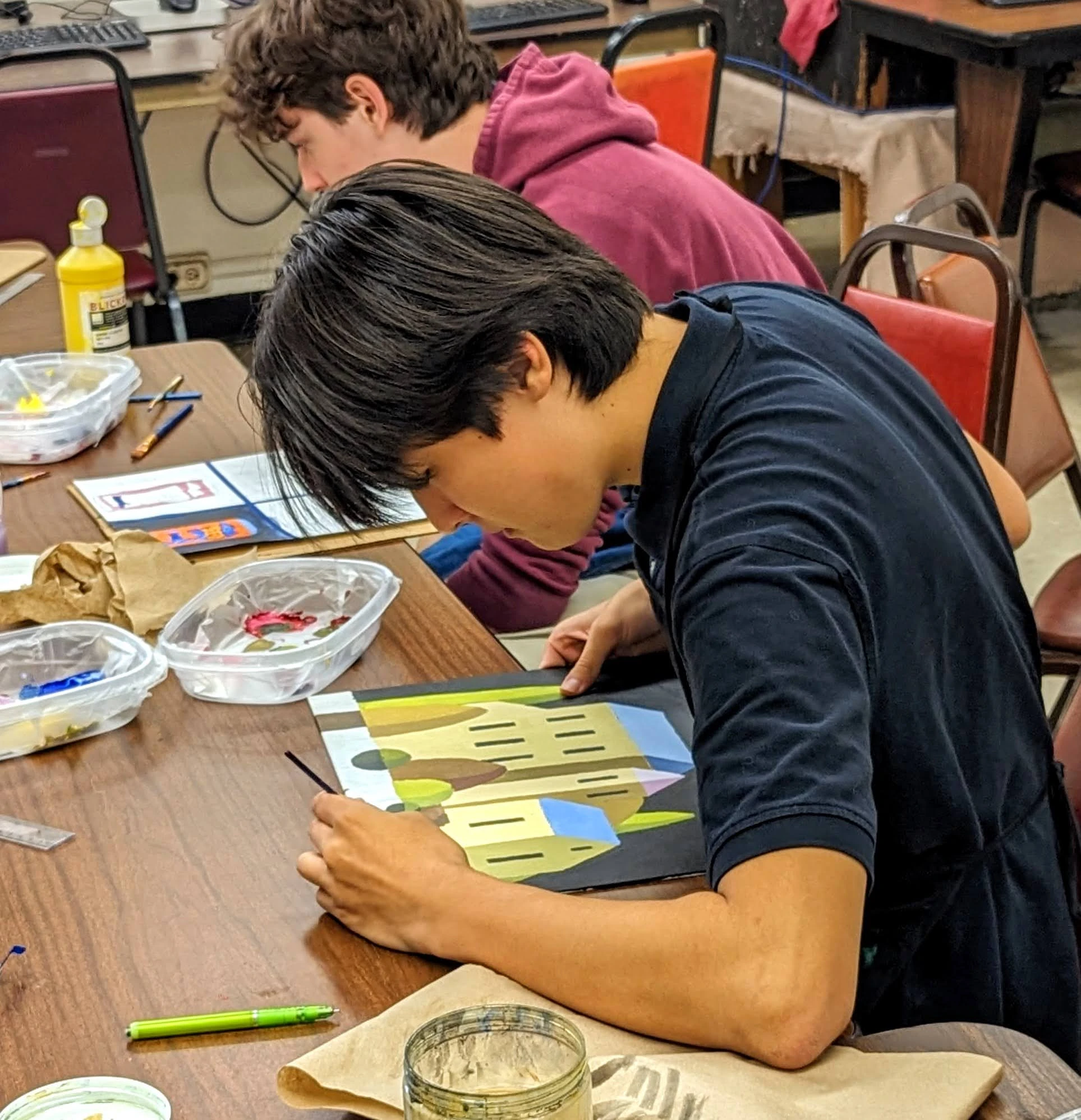
- Art club: Creates visual art for school displays, community projects, and portfolio development. Students preparing art portfolios for university applications benefit from regular practice and peer critique.
- Photography and film: Documents school events, produces short films, and develops technical skills in visual storytelling. These clubs often manage the school yearbook or broadcast morning announcements.
For international students still developing English fluency, arts organizations provide a pathway to social integration that does not depend entirely on verbal communication. A student who plays violin in the orchestra or paints in the art studio builds relationships through shared creative work. These connections often expand into broader friendship groups as language skills develop over the school year.
Which Leadership Organizations Matter Most?
Leadership positions within school organizations carry the strongest weight in university admissions decisions. Admissions officers at Top 50 universities consistently identify leadership as one of the qualities they seek, and holding an elected or appointed position within a recognized organization provides verifiable evidence of that quality. The following leadership organizations are present at most US high schools and carry particular recognition in the admissions process.
Student government operates as the elected representative body for the student population. Positions include president, vice president, secretary, treasurer, and class representatives. Student government members plan school events, manage budgets, and serve as liaisons between students and administration. International students who run for student government positions demonstrate confidence, communication skills, and a willingness to engage with the broader school community.
National Honor Society (NHS) requires a minimum GPA of 3.5 in most chapters, plus demonstrated leadership, service, and character. Membership is by invitation and faculty review. NHS appears on transcripts and is recognized by virtually every US university. For international students, NHS membership confirms that the student meets American academic standards at a high level.
- Key Club (Kiwanis-affiliated): Service-focused leadership organization with local, district, and international levels of involvement. Officers plan community projects and manage volunteer teams.
- Class officers: Each grade elects a president, vice president, and representatives who organize class-specific events like prom and fundraisers.
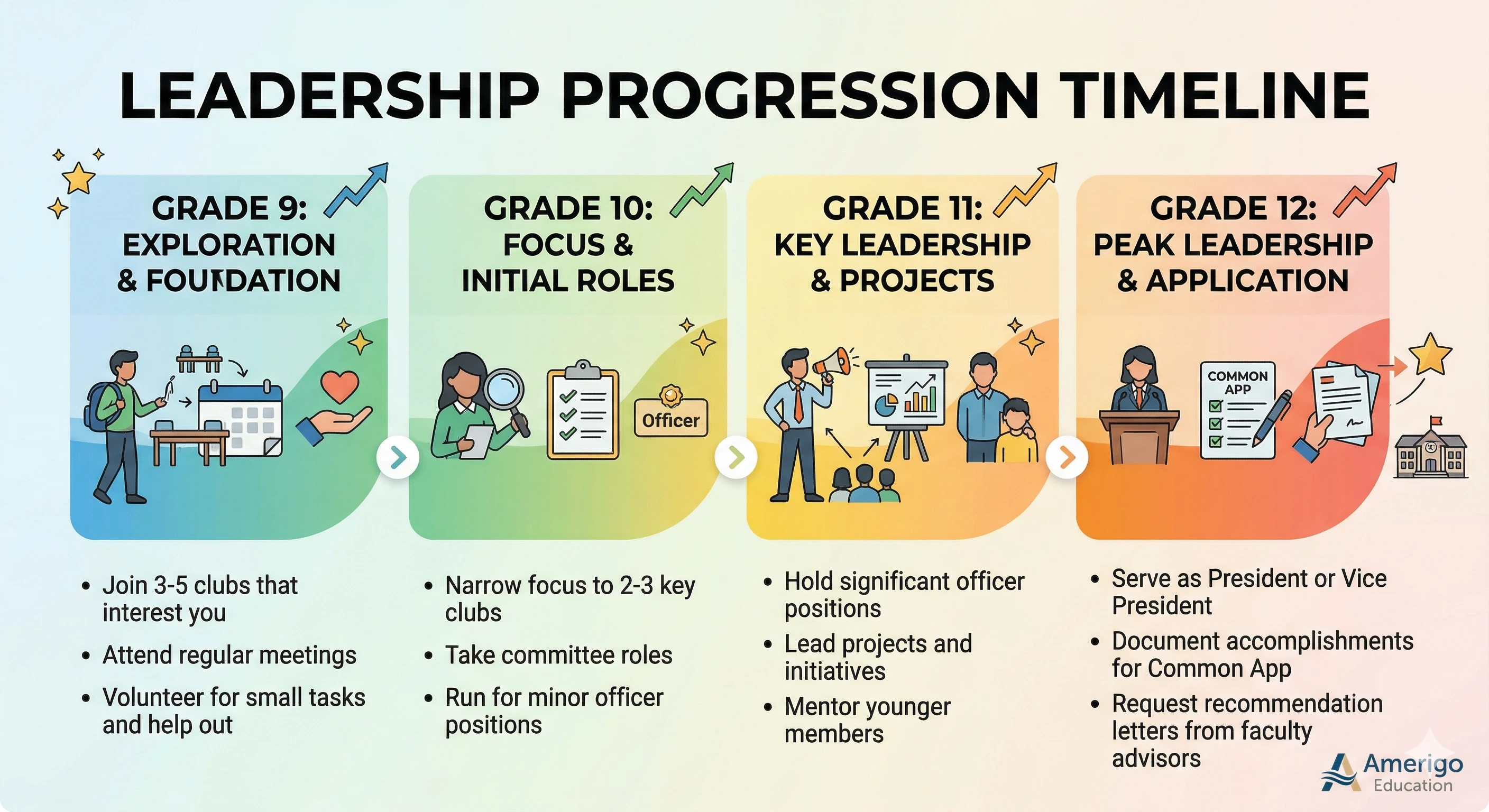
- Club president or vice president: Any club leadership role demonstrates initiative. Universities value students who moved from member to officer within an organization.
- Peer mentoring programs: Upperclassmen guide new students through academic and social adjustment. International students who serve as peer mentors for newer international arrivals show both leadership and empathy.
What Community Service Clubs Exist?
Community service clubs connect students to volunteer work in their local area. Many US high schools require 40 to 100 hours of community service for graduation, and organized clubs provide structured opportunities to complete those hours while building a documented service record for university applications. Service work also demonstrates the character and civic engagement that admissions officers evaluate, particularly at mission-driven universities.
International students who tutor peers in subjects like math or science contribute their academic strengths while simultaneously practicing English in a structured setting. Students from China, Vietnam, Korea, Mexico, the Taiwan Region, and more often bring advanced math training from their home country education systems, making them effective tutors who build reputations as both capable and generous with their time. This dual benefit of serving others while developing language skills makes tutoring clubs particularly valuable for international students.
How Do Cultural Clubs Support Adjustment?
Cultural clubs serve a dual purpose for international students: they provide a community of peers who share similar backgrounds and adjustment experiences, and they offer a platform for cultural leadership that universities recognize as a meaningful contribution to school life. These organizations include international student associations, language exchange clubs, heritage celebration committees, and cultural awareness groups.
- International Student Association: Brings together students from all countries to organize cultural events, share traditions, and support each other through the adjustment process. Often the largest and most visible cultural organization at schools with international populations.
- Language exchange clubs: Pair native English speakers with international students for mutual language practice. Students teach each other their home languages while building cross-cultural friendships.
- Heritage and cultural celebration clubs: Organize events for Lunar New Year, Diwali, Hispanic Heritage Month, and other cultural observances. These events educate the broader school community and give international students visible leadership roles.
- Model cultures / global awareness clubs: Discuss international current events, organize cultural fairs, and host speakers on global topics. These clubs build the global perspective that universities with international student populations actively seek.
Starting a cultural club is one of the strongest actions an international student can take for both personal adjustment and university applications. A student who founds a Vietnamese Culture Club or a Korean Language Exchange Group demonstrates initiative, leadership, and cultural pride. The founding process itself, which requires recruiting members, finding a faculty advisor, writing a club charter, and organizing events, produces concrete accomplishments that translate directly into the Common App activities section.
How Should Students Navigate Club Fair?
Club fair occurs during the first two weeks of each school year at most US high schools. All active clubs set up tables or booths, and students walk through to learn about each organization, ask questions, and sign up for interest lists. For international students arriving at a new school, club fair represents one of the first and most important social events of the year. Approaching it with a strategy produces better outcomes than wandering without a plan.
- Review the school's club directory online or through the student activities office before the fair
- Identify five to eight clubs that align with academic interests, creative skills, or leadership goals
- Prepare a brief self-introduction: name, home country, grade, and what you are interested in
- Sign up for every club that looks interesting, as there is no commitment required at this stage
- Attend the first meeting of each club you signed up for during the following two weeks
- After attending initial meetings, narrow to three to five clubs for regular participation
- By the end of the first semester, commit to two to three clubs where you will pursue depth and leadership
Students enrolled at Amerigo Education partner schools receive guidance from on-campus staff before club fair. The on-campus international department helps students identify which clubs match their university goals and provides context on how each organization operates. Monthly progress reports sent to families include updates on extracurricular participation, so parents stay informed about their child's involvement outside the classroom. Native-language support is available for families from China, Vietnam, Korea, Mexico, the Taiwan Region, and more.
What Do Admissions Officers Actually Evaluate?
University admissions officers do not count the number of clubs on an application. They evaluate the quality and depth of involvement, looking for evidence that the student made a meaningful contribution to their school community. The Common App activities section allows students to list up to ten activities, each with a 150-character description, the grade levels of participation, the time commitment, and the student's role. Admissions readers at selective universities consistently report that two to three deeply pursued activities produce stronger applications than eight or ten listed with minimal involvement.
The Top 100 Guarantee at Amerigo Education US Signature partner schools provides a $50,000 USD refund if a qualifying student does not gain admission to a Top 100 US university. Eligibility requires two consecutive years of enrollment, a cumulative GPA of 3.2 or higher, a TOEFL score of 85 or higher, and completion of at least one AP, IB, or Honors course. Extracurricular depth built through sustained club involvement strengthens the overall application profile that supports this outcome. Students choose from homestay, on- and off-campus supervised residences, or self-provided accommodation, with 24/7 emergency support at all locations.
Frequently Asked Questions
How many clubs should international students join?
University admissions officers prefer to see deep involvement in two to three activities rather than surface-level participation in many. Students should start by joining three to five clubs in their first semester, then narrow to the two or three where they can contribute meaningfully and pursue leadership roles. Sustained commitment over multiple years carries more weight than a long list of brief memberships on the Common App activities section.
Can international students start a new club at a US high school?
Yes. Most US high schools allow any enrolled student to start a new club by finding a faculty advisor and submitting a proposal to the student activities office. International students frequently start cultural clubs, language exchange clubs, or organizations related to interests from their home country. Starting a club demonstrates initiative and leadership, both of which strengthen university applications significantly.
What is the difference between a club and an honor society?
Clubs are open to all students and focus on shared interests or activities. Honor societies like National Honor Society require students to meet academic thresholds, typically a 3.5 GPA or higher, and demonstrate leadership and community service. Honor society membership carries additional weight on university applications because it signals verified academic achievement. Both types appear in the Common App activities section.
Do community service clubs count as volunteer hours?
Yes. Hours logged through school-affiliated community service clubs typically count toward graduation requirements and can be documented on university applications. Many US high schools require 40 to 100 community service hours for graduation. Participating through an organized club provides structure, verified documentation, and often access to more impactful service projects than independent volunteering.
Which clubs are most competitive for Top 50 universities?
Debate and Model UN, Science Olympiad, Math League, robotics, and National Honor Society are among the most recognized clubs by selective university admissions offices. However, the club itself matters less than what the student accomplished within it. A student who leads a lesser-known club to measurable outcomes demonstrates stronger initiative than a passive member of a prestigious organization.
How do clubs appear on university applications?
The Common Application provides space for up to ten activities, each with a 150-character description field. Students list the activity name, their role and leadership position, grade levels of participation, weeks per year, and hours per week. Admissions officers look for progression from member to leader, consistent multi-year involvement, and specific accomplishments rather than generic participation descriptions.
Are cultural clubs valued by university admissions?
Yes. Cultural clubs demonstrate cross-cultural leadership, initiative, and the ability to build community. For international students, leading or co-founding a cultural club shows that the student contributed to their school environment rather than remaining isolated. Universities that value diversity in their student body view cultural club leadership as evidence that the applicant will contribute to campus life.
What happens at a club fair?
Club fairs typically occur during the first two weeks of each school year. Existing clubs set up tables or booths in a gymnasium or outdoor area, and students walk through to learn about each organization. Students sign up by adding their name and email to interest lists. There is no commitment required at the fair itself, and students can attend initial meetings for multiple clubs before deciding which to join.
Can international students join clubs mid-year?
Most clubs accept new members throughout the school year, though competitive teams like debate or Science Olympiad may have tryouts only at the start of each semester. Students who enroll mid-year should ask their school counselor for a current club directory and attend meetings to introduce themselves. Mid-year joiners can still hold leadership positions in their second year if they demonstrate consistent participation.
Do I need strong English skills to join clubs?
English proficiency requirements vary by club type. Arts clubs, robotics, coding, and music ensembles rely more on technical skill than verbal fluency, making them accessible for students still developing English proficiency. Debate and Model UN require stronger language skills. Joining clubs with a mix of verbal and hands-on components helps students build English fluency while contributing through their existing strengths.
Conclusion
Non-athletic clubs and organizations at US high schools provide international students with structured pathways to build leadership experience, demonstrate intellectual curiosity, serve their communities, and develop the extracurricular depth that university admissions officers evaluate alongside academic records. The combination of sustained club involvement, leadership progression, and meaningful accomplishments produces the strongest application profiles for Top 50 and Top 100 university admission.
Explore Clubs at Amerigo Partner Schools
Families ready to explore extracurricular opportunities at Niche A+/A rated US high schools can apply now through a single application covering 40 partner schools, or contact us for guidance on which schools offer the clubs and organizations that match your child's interests and university goals. Explore US partner schools, view Canadian options, or learn about Brentwood School in the UK. Learn more about the Top 100 University Guarantee and find the right school for your family.
People Also Read
- Do International Students Have an Advantage Applying to US Universities from American High Schools?
- What University Admissions Officers Actually See: Why US High School Changes Everything for International Students
- How to Choose a US High School for International Students: Complete Selection Guide 2026
About the Author
This guide was written by the Amerigo Education content team, drawing on program data from staff operating the on-campus international department at Amerigo Education's partner schools across the US, Canada, and UK. Learn more about Amerigo Education.
Disclaimer: This article provides general information for educational purposes only. Families should conduct independent research, request current program data from providers, and consult with program representatives regarding specific circumstances. Contact us with questions.