All news
January 5, 2026
Study Abroad 101
Safe High School Options for International Students in the US
Learn the 5 pillars of safe US high school programs for international students: 24/7 supervised accommodation, on-campus staff presence, real-time location tracking, proactive wellbeing monitoring, and native-language family communication. Discover what safety questions to ask programs.
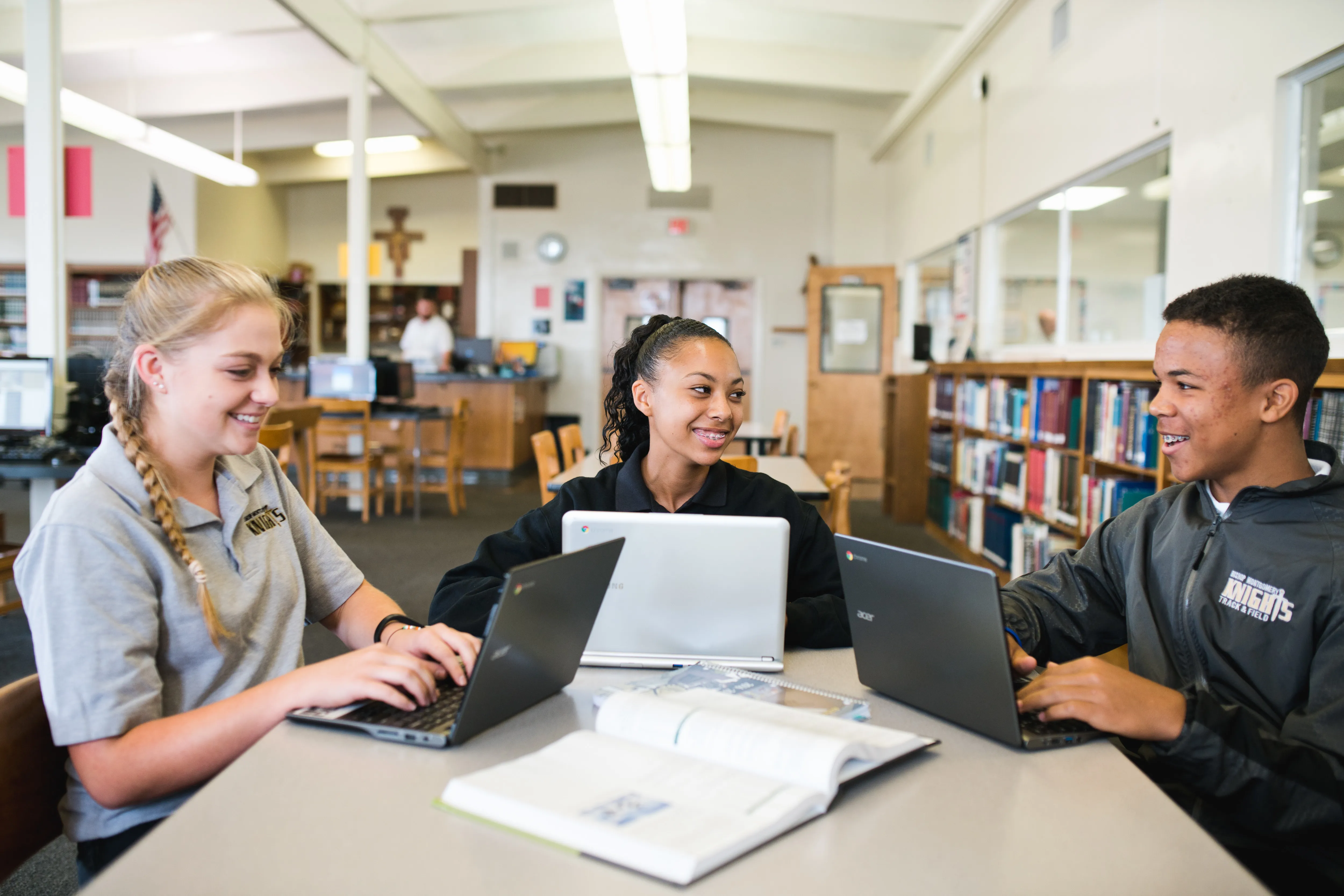
The safest US high school options for international students combine five elements: 24/7 supervised accommodation, on-campus staff presence during school hours, real-time location tracking technology parents can access, proactive wellbeing monitoring, and native-language family communication. Programs offering all five elements—like comprehensive pathway programs with dedicated international student support—provide significantly stronger safety infrastructure than traditional options where international students are an afterthought.
Safety concerns are the number one worry for parents sending children abroad. This guide explains exactly what safety infrastructure to look for, how to evaluate program claims, and what questions reveal whether a program takes safety seriously.
What "Safe" Actually Means for International Students
Safety for international high school students extends far beyond physical security. Comprehensive safety includes:
Physical Safety
- Secure living environments with appropriate supervision
- Safe transportation to and from school
- Emergency response protocols
- Location monitoring capabilities
Emotional Safety
- Homesickness intervention before it becomes crisis
- Bullying prevention and response
- Stress management support
- Mental health resources
Academic Safety
- Support preventing students from falling behind
- Intervention when struggles emerge
- Protection from academic isolation due to language barriers
Communication Safety
- Parents informed of concerns promptly
- Regular updates even when things are going well
- Native-language communication eliminating misunderstandings
Programs that address only physical safety while ignoring emotional, academic, and communication dimensions leave international students vulnerable in ways that can derail their entire experience.
The Five Pillars of Safe High School Programs
Pillar 1: Supervised Accommodation
What to look for: Housing with 24/7 adult supervision appropriate for minors (ages 14-18).
High school students are not adults. They need structured living environments with responsible adults present—not apartment-style independence or minimal check-ins.
Safe accommodation features:
For Residential Programs:
- 24/7 staff physically present in residential buildings
- Single-gender housing units
- Controlled access and visitor policies
- Staff trained in adolescent supervision
- Clear curfews and accountability systems
- Emergency protocols specific to the residence
For Homestay Programs:
- Thorough host family vetting and background checks
- Careful student-host matching process
- Ongoing oversight and regular check-ins
- Clear expectations and accountability for host families
- Program intervention when placements aren't working
- Alternative placement options if needed
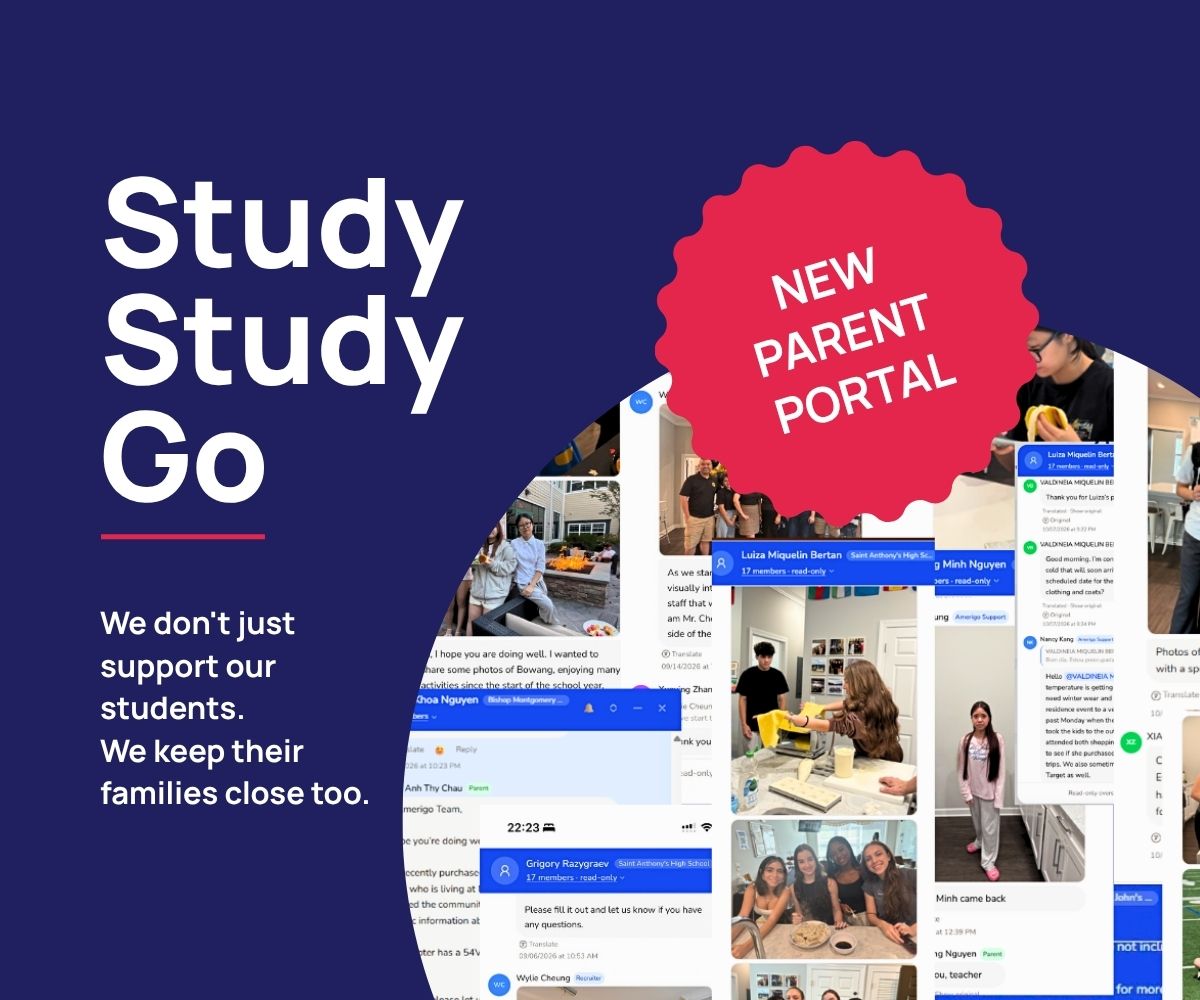
Amerigo's accommodation options include both supervised residences and vetted homestay placements. Residential students live in single-gender units with 24/7 staff supervision. Homestay students benefit from careful matching and ongoing program oversight—not a referral to a third-party agency.
Questions to ask:
- Who is physically present in student housing overnight?
- What are the staff-to-student ratios in residences?
- How are host families vetted and monitored?
- What happens if a housing situation isn't working?
Red flags:
- "Students check in daily" (implies no overnight supervision)
- Housing arranged through third parties with no program oversight
- No clear answer about overnight staffing
- Resistance to discussing housing safety details
Pillar 2: On-Campus Staff Presence
What to look for: Program staff physically located at the school during school hours—not managing students remotely.
International students face daily challenges American students don't encounter: confusing instructions, cultural misunderstandings, academic expectations that differ from their home country, and the emotional weight of navigating everything in a second language.
When a student is confused, struggling, or upset during the school day, they need someone they can walk to immediately—not an email address or phone number for someone in another city.
Safe on-campus presence includes:
- Dedicated staff office at the school
- Staff present throughout school hours
- Immediate accessibility for student concerns
- Direct relationships with teachers and administrators
- Ability to intervene in real-time when problems arise
Amerigo operates as the international department at Signature partner schools. Full-time staff work on campus daily, providing immediate support unavailable at typical US high schools where international students represent a small, often-overlooked population.
Questions to ask:
- Where are your support staff located?
- Can my child walk to someone's office if they have a problem?
- How quickly can staff respond to an issue during the school day?
- Do staff have direct relationships with teachers?
Red flags:
- "We coordinate with the school remotely"
- Support staff located in a different city or country
- Students must email or call for help
- No dedicated international student office on campus
Pillar 3: Real-Time Safety Technology
What to look for: Location tracking and safety monitoring technology that parents can access directly.
Modern safety technology provides peace of mind without requiring intrusive surveillance. Parents should be able to verify their child's safety and location without relying solely on their teenager's self-reporting.
Effective safety technology includes:
- GPS location tracking accessible to parents
- Check-in systems for accountability
- Emergency alert capabilities
- Integration with program oversight (not just parent access)
Amerigo employs safety technologies such as Life360 or Reach that parents can access to track their student's safety and location in real time. This technology supplements—not replaces—human supervision, providing an additional safety layer.
Questions to ask:
- What safety technology do you use?
- Can I access my child's location in real time?
- How does technology integrate with staff supervision?
- What happens if location tracking shows something concerning?
Red flags:
- No technology-based safety monitoring
- Technology only accessible to program, not parents
- "We respect student privacy" used to avoid accountability
- No clear protocol when technology flags concerns
Pillar 4: Proactive Wellbeing Monitoring
What to look for: Systems that identify struggling students before crises develop—not just reactive responses to emergencies.
The most dangerous situations often develop gradually: increasing isolation, declining academic performance, growing homesickness, subtle signs of depression or anxiety. Programs that only respond to crises miss opportunities to intervene early.
Proactive monitoring includes:
- Regular wellbeing check-ins beyond academics
- Staff trained to recognize warning signs
- Communication between residential and academic staff
- Structured intervention protocols
- Access to counseling resources
- Homesickness prevention and intervention programs
What proactive support looks like:
Amerigo's 360° support model includes:
- Stress and bullying intervention
- Homesickness support before it escalates
- Birthday celebrations and cultural activities maintaining emotional connection
- Student-life experiences building community
- Staff acting as coach, parent, and advocate
- 24/7 emergency assistance for urgent situations
Questions to ask:
- How do you monitor student wellbeing beyond academics?
- What training do staff receive on recognizing warning signs?
- How do you handle homesickness?
- What counseling resources are available?
- Can you describe your intervention process when a student is struggling?
Red flags:
- Focus only on academic performance
- "We respond when students ask for help" (reactive only)
- No structured wellbeing monitoring
- Counseling only available through school (may not understand international student challenges)
Pillar 5: Native-Language Family Communication
What to look for: Regular communication in your language—not occasional English-only updates.
You cannot effectively monitor your child's safety if you cannot fully understand communications about their wellbeing. Language barriers between programs and families create dangerous information gaps.
Effective family communication includes:
- Staff who speak your native language
- Regular structured updates (not just crisis communication)
- Real-time outreach when urgent concerns arise
- Multiple communication channels
- Cultural understanding, not just language translation
Amerigo provides:
- Monthly reports for all homestay and residence students
- Real-time outreach when updates require immediate attention
- Local-language communication through staff members in China, Vietnam, Korea, Mexico, and Taiwan
- Parent webinars and resources
- Direct access to program staff who understand your concerns
Questions to ask:
- Do you have staff who speak my language?
- How often will I receive updates?
- What triggers immediate communication versus scheduled reports?
- How can I reach someone if I'm concerned?
Red flags:
- English-only communication
- Updates only when problems occur
- Communication only through student
- Long response times to parent inquiries
- No staff from your cultural background
Safe Accommodation Types Compared
Different accommodation options offer different safety profiles:
Supervised Off-Campus Residences
Safety advantages:
- 24/7 dedicated staff presence
- Single-gender units
- Controlled environment designed for students
- Dedicated study spaces with supervision
- Clear rules and accountability
- Modern facilities with safety features
Considerations:
- Transportation to/from school required
- Less cultural immersion than homestay
Amerigo's off-campus residences are typically located 20-30 minutes from partner schools with 24/7 staff supervision, single-gender units, and dedicated common areas where students can study in groups or receive academic support from teachers and staff.
Homestay
Safety advantages:
- Adult family presence in home
- Cultural immersion and language practice
- Family meals and routines
- Community integration
- Usually more affordable
Considerations:
- Safety depends on host family quality
- Requires thorough vetting and ongoing oversight
- Less structured than residential options
Quality programs provide homestay with robust oversight—not just referrals. Amerigo's homestay option includes careful student-host matching and ongoing safety oversight, with academic support available at the international department's office at school.
On-Campus Dormitories
Safety advantages:
- Located on school grounds
- Integrated with school safety systems
- Proximity to academic support
Considerations:
- Limited availability at most schools
- May have older facilities
- Often shared with domestic students (less specialized international support)
Traditional Boarding Schools
Safety considerations:
- Often located in remote areas (limited emergency services access)
- Varying levels of international student support
- May have older facilities
- Very limited spots for international students
- Safety infrastructure designed for domestic students
Location Safety Considerations
School and program location affects safety in multiple ways:
Urban vs. Suburban vs. Rural
Urban locations:
- More emergency services nearby
- Public transportation options
- More activities and conveniences
- May have higher crime rates in some areas
- Requires street-smart awareness
Suburban locations:
- Often lower crime rates
- Quieter environments
- May require transportation for activities
- Generally family-oriented communities
Rural/Remote locations:
- Very low crime rates typically
- Limited emergency services
- Isolation can create different challenges
- Less diversity and cultural resources
What Matters Most
Location safety depends less on urban/suburban/rural classification and more on:
- Specific neighborhood safety profile
- Program's transportation safety protocols
- Student supervision outside school hours
- Emergency response infrastructure
Amerigo partner schools are located in established areas including Boston, New York, California, Midwest, and Canada—selected for both academic quality and appropriate environments for international students.
Safety Questions to Ask Any Program
Use these questions to evaluate safety infrastructure:
About Accommodation
- Who is physically present in student housing overnight?
- What are staff-to-student ratios?
- How are host families vetted and monitored?
- What happens if a housing placement isn't working?
- Are housing units single-gender?
About School Presence
- Where are support staff located during school hours?
- Can students access support immediately when needed?
- Do staff have direct relationships with teachers?
- What happens if my child has a problem during class?
About Technology and Monitoring
- What safety technology do you use?
- Can I track my child's location?
- How do you monitor student wellbeing?
- What triggers intervention?
About Communication
- Do you have staff who speak my language?
- How often will I receive updates?
- What warrants immediate communication?
- How quickly can I reach someone with concerns?
About Emergency Response
- What is your emergency protocol?
- Who is available 24/7?
- How do you handle medical emergencies?
- What's your relationship with local emergency services?
Red Flags That Indicate Safety Gaps
Be cautious of programs that:
Accommodation red flags:
- Cannot clearly explain overnight supervision
- Arrange housing through third parties with minimal oversight
- Offer only "check-in" supervision for minors
- Resist discussing housing safety details
Support red flags:
- Manage students remotely from another location
- Have no dedicated on-campus presence
- Rely on school counselors for international student support
- Cannot explain intervention protocols
Communication red flags:
- Offer English-only family communication
- Update families only when problems occur
- Have slow response times to inquiries
- Cannot provide staff contacts in your language
Technology red flags:
- Use no safety technology
- Don't allow parent access to monitoring
- Have no clear protocols when technology flags concerns
Emergency red flags:
- Cannot clearly articulate emergency protocols
- Have no 24/7 availability
- Rely entirely on school emergency systems
- Have no local emergency contacts
What Comprehensive Safety Looks Like
Amerigo Education provides an example of comprehensive safety infrastructure:
Accommodation Safety:
- Four accommodation options (homestay, off-campus residences, on-campus at select schools, self-provided)
- 24/7 staff supervision in residences
- Single-gender units
- Careful homestay matching with ongoing oversight
- Academic support regardless of housing type
On-Campus Presence:
- International department on campus at partner schools
- Staff present throughout school hours
- Immediate accessibility for students
- Direct relationships with teachers and administrators
Technology:
- Life360 or Reach safety technology
- Parent access to real-time location tracking
- Integration with staff oversight
Proactive Monitoring:
- Stress and bullying intervention
- Homesickness support
- 24/7 emergency assistance
- Student-life experiences and community building
- Staff acting as coach, parent, and advocate
Family Communication:
- Monthly reports for all students
- Real-time outreach for urgent matters
- Staff in China, Vietnam, Korea, Mexico, and Taiwan
- Native-language communication
This comprehensive approach—addressing physical, emotional, academic, and communication safety—represents the standard families should expect.
Frequently Asked Questions
What is the safest type of accommodation for international high school students?
Supervised residential programs with 24/7 staff presence offer the most structured safety, while quality homestay programs with thorough vetting and ongoing oversight provide safety plus cultural immersion. The key factor isn't accommodation type but quality of supervision. Amerigo offers both options with appropriate oversight for each—residential students have 24/7 staff supervision, homestay students have careful family matching and program oversight.
How can I monitor my child's safety from another country?
Quality programs provide: real-time location tracking technology (like Life360 or Reach) accessible to parents, regular structured reports on wellbeing (monthly at minimum), native-language staff you can contact directly, and real-time outreach when urgent concerns arise. Ask specifically what technology and communication systems a program uses—vague answers indicate gaps.
Are boarding schools safer than other options for international students?
Not necessarily. Traditional boarding schools vary widely in international student support and safety infrastructure. Many are located in remote areas with limited emergency services. Safety depends more on specific program infrastructure—supervision levels, staff training, communication systems, emergency protocols—than on the boarding school label. Pathway programs with comprehensive support often provide stronger safety infrastructure specifically designed for international students.
What should I do if I'm concerned about my child's safety?
Quality programs provide direct contact channels with native-language staff. You should have: specific staff contacts (not just general email), expected response times, escalation procedures if initial contacts don't resolve concerns, and 24/7 emergency contacts for urgent situations. Establish these contacts before your child enrolls, not during a crisis.
How do programs handle homesickness and emotional struggles?
Proactive programs monitor wellbeing continuously—not just responding when students ask for help. Look for: regular wellbeing check-ins, staff trained to recognize warning signs, structured homesickness intervention, counseling access, and community-building activities. Amerigo's approach includes stress intervention, homesickness support, birthday celebrations, cultural activities, and staff acting as coach, parent, and advocate.
What safety technology should programs use?
At minimum: GPS location tracking accessible to parents, check-in systems, and emergency alert capabilities. Technology should supplement human supervision, not replace it. Ask how technology integrates with staff oversight—the combination of human supervision plus technology monitoring provides the strongest safety net.
How important is on-campus staff presence for safety?
Critical. International students face daily challenges requiring immediate support—language confusion, cultural misunderstandings, academic struggles, emotional difficulties. Staff physically on campus can intervene immediately. Remote management (staff in another city) cannot provide the same protection. Amerigo's on-campus international department model ensures staff are present where students are.
What questions reveal whether a program takes safety seriously?
Ask: "Who is physically present in student housing overnight?" "Where are support staff located during school hours?" "What safety technology can I access?" "What triggers immediate communication to parents?" Programs with strong safety infrastructure answer these questions clearly and specifically. Vague or defensive responses indicate gaps.
Are US high schools safe for international students?
US high schools can be very safe for international students—with the right program infrastructure. Safety depends less on the country and more on: supervision quality, staff presence and training, communication systems, emergency protocols, and proactive monitoring. Programs designed specifically for international students, with comprehensive support infrastructure, provide the safest environments.
How do I verify a program's safety claims?
Ask for specifics: staff-to-student ratios, names of safety technology used, communication frequency and channels, emergency protocol details. Request parent references you can contact. Quality programs welcome detailed safety questions; programs with gaps become vague or defensive. Trust specific answers over marketing language.
Making a Safe Choice
Safety cannot be an afterthought when sending your child across the world for high school education. The right program treats safety as foundational—building comprehensive infrastructure across accommodation, supervision, technology, monitoring, and communication.
Amerigo Education, supporting approximately 1,000 students from 11 countries through 40 partner schools across the US and Canada, demonstrates what comprehensive safety looks like:
- Accommodation: Four options with appropriate supervision for each
- On-campus presence: International department with daily staff presence
- Technology: Life360/Reach with parent access
- Monitoring: Proactive wellbeing support, 24/7 emergency assistance
- Communication: Monthly reports, native-language staff, real-time urgent outreach
Your child's safety is non-negotiable. Choose a program that treats it that way.
This guide provides general safety evaluation criteria. Every family's concerns differ—contact Amerigo Education to discuss your specific safety priorities and learn how their comprehensive support addresses them, or apply now to begin your child's journey with confidence.