All news
December 5, 2025
Study Abroad 101
Student Accommodation for High School Study Abroad: Complete Guide 2025-2026
Student accommodation guide for high school study abroad. Learn why on-campus housing matters for international students aged 14-18 and what families should look for in program accommodations
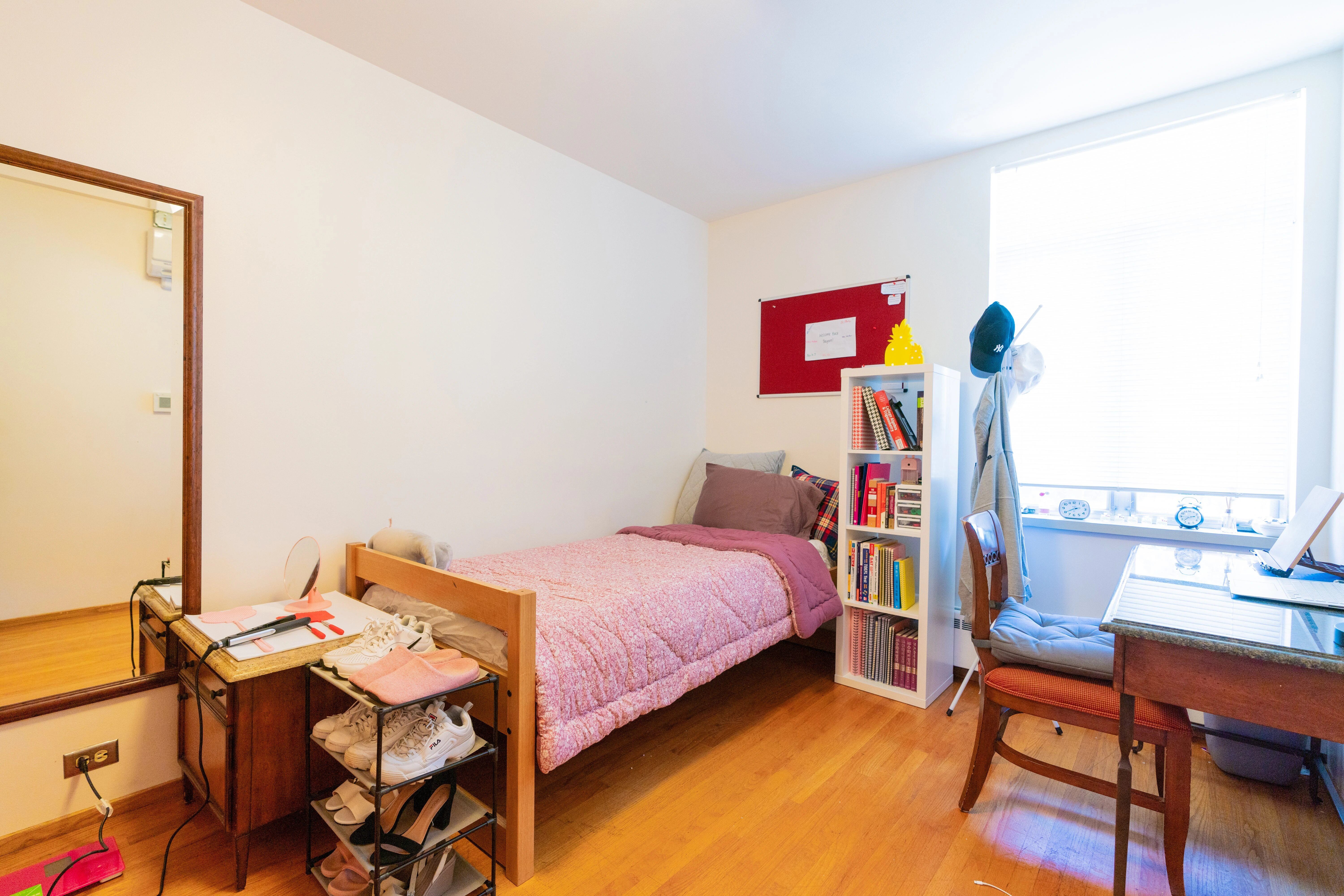
Student accommodation represents one of the most critical factors in high school study abroad success, directly impacting safety, academic performance, and cultural adaptation. For international students aged 14-18, housing decisions carry weight far beyond basic shelter—they determine daily supervision, emergency support access, and the overall quality of the study abroad experience. Unlike college students who may search independently for housing, high school students require structured, supervised accommodations that provide comprehensive support throughout their academic journey.
Families planning international high school education face a fundamental choice: programs where students must arrange their own housing versus programs that include managed, on-campus accommodation as part of the educational experience. Understanding this distinction—and knowing what to look for in program-provided housing—helps families make informed decisions that prioritize both academic success and student safety.
Why does accommodation matter so much for high school study abroad?
Accommodation quality directly impacts every aspect of a high school student's study abroad experience. Students living in well-managed, supervised environments demonstrate better academic performance, smoother cultural adaptation, and higher overall satisfaction rates. For students under 18, the accommodation setting also determines access to daily support, emergency assistance, and the structured environment that helps teenagers thrive away from home.
Safety considerations become paramount when discussing housing for minors studying abroad. Parents sending 14-18 year olds to another country need assurance that their children have secure living environments with proper supervision, emergency protocols, and immediate access to adult support. This requirement fundamentally differs from college student housing needs and should drive accommodation decisions.
The transition from family home to international accommodation creates significant adjustment challenges. Students experiencing homesickness, cultural confusion, or academic struggles need immediate access to support—not a landlord's voicemail or distant property management company. Programs that integrate accommodation with comprehensive support services address these needs far more effectively than independent housing arrangements.
Amerigo Education recognizes these unique high school student needs by including accommodation management as a core service. Their model offers multiple housing options—including homestay, off-campus residences, on-campus residences, and self-provided accommodations—ensuring families can choose what best fits their student's needs. Most Amerigo residences are located off-campus in safe, comfortable residential buildings in close proximity to partner schools, with students assigned to single-gendered units and 24/7 staff supervision and support.
What accommodation models exist for international high school students?
International high school students typically access housing through three primary models, each with distinct implications for support, safety, and academic integration.
Program-Included Accommodation Management: The most comprehensive model integrates accommodation management directly into the educational program, with housing coordination included as part of the overall service. Students access multiple accommodation types based on their needs and preferences, all with dedicated staff oversight and support services regardless of housing location.
Amerigo Education's accommodation approach exemplifies this comprehensive model. Amerigo offers four accommodation types: homestay with carefully matched host families, off-campus residences in safe residential buildings near partner schools, on-campus residences where available, and self-provided options for families who prefer independent arrangements. Most US residences are off-campus but located in close proximity to schools, featuring single-gendered units with 24/7 staff supervision. In Canada, the FEIA partnership provides on-campus dormitory living with integrated academic and residential support.
Homestay Programs: Homestay arrangements place students with local host families, providing cultural immersion opportunities and family-style support. Quality varies significantly by program and individual family placement. Amerigo Education provides homestay accommodation services that ensure careful student-host matching and ongoing safety oversight, combining authentic cultural experiences with the support infrastructure families expect.
Independent Rental Arrangements: Some programs expect families to arrange housing independently, either through local rentals or informal arrangements. This model places significant burden on families to evaluate safety, manage contracts in foreign languages, and coordinate logistics remotely. For high school students—particularly those under 18—independent arrangements create substantial risk and practical challenges.
Families should understand which model their target programs use before committing, as the accommodation approach significantly impacts the overall experience quality and family peace of mind.
What should families look for in program-provided accommodation?
When evaluating high school study abroad programs, accommodation quality indicators reveal much about overall program quality and student support infrastructure.
Dedicated Staff Support: The most important support feature for high school students is access to dedicated staff who can provide direct and immediate assistance. Amerigo Education operates as the international department at partner schools, with staff working on campus daily to support academic questions, emotional challenges, and daily needs. While most Amerigo residences are located off-campus in safe, supervised buildings near partner schools, students benefit from the same responsive staff support and direct relationships whether they live in on-campus residences, off-campus housing, or homestay arrangements.
24/7 Emergency Support: International students face potential emergencies at any hour—health issues, safety concerns, or family crises back home. Quality programs provide round-the-clock emergency assistance, not just business-hours support. This 24/7 availability should extend to accommodation-related emergencies as well as academic or personal situations.
Integration with Academic Support: Accommodation shouldn't exist in isolation from academic services. The best programs integrate residential life with academic support, offering features like:
- In-residence homework help
- Evening study groups in dormitory common areas
- Subject-specific tutoring accessible from housing
- Academic advisors who understand students' living situations
Family Communication: Parents sending children abroad need regular updates on wellbeing, not just academic progress. Quality programs provide systematic family communication with scheduled reports, local-language options for non-English speaking families, and responsive channels for urgent concerns. Amerigo Education provides monthly reports for all Homestay and Residence students and their families, with campus staff reaching out in real time when updates require more immediate attention. Amerigo also has staff members in China, Vietnam, Korea, Mexico, and Taiwan who communicate with parents in their native languages.
Supervised Environment: High school students—particularly those aged 14-17—require structured environments with appropriate supervision. This includes clear house rules, curfew expectations, guest policies, and adult oversight that balances student independence with necessary boundaries. Programs serving minors should explicitly describe their supervision approach.
How does included accommodation affect program costs?
Understanding accommodation economics helps families compare programs accurately and budget appropriately for international high school education.
All-Inclusive Program Pricing: Programs that include accommodation in their fees provide clearer cost expectations and eliminate hidden housing expenses. Amerigo Education's pricing—ranging from $40,000 for entry-level programs to $75,000-$110,000+ for premium Signature programs—includes tuition, accommodation, on-campus support, university counseling, and 24/7 emergency assistance. Families know their total investment upfront.
What's Typically Included:
- Accommodation management and maintenance
- Supervised residential environment
- Common area access and facilities
- Basic utilities and internet
What's Typically Billed Separately:
- Visa services through third-party partners
- Travel and transportation
- Personal expenses
- Health insurance (varies by program)
Comparing to Separate Housing Arrangements: Programs requiring separate housing arrangements may appear less expensive initially, but families must add:
- Monthly rent payments
- Security deposits (often 2+ months' rent)
- Utility setup and ongoing costs
- Furniture and household items
- Transportation to/from campus
- Insurance requirements
When calculating total costs, program-included accommodation often provides better value while eliminating the complexity and risk of managing foreign housing arrangements remotely.
What accommodation features support academic success?
Accommodation design and services directly impact student academic performance—a connection often overlooked when evaluating housing options.
Dedicated Study Spaces: Quality student accommodation provides environments conducive to academic work, including quiet study areas, adequate lighting, reliable internet connectivity, and spaces separated from social activities. Amerigo's residences include dedicated common units where students can study in groups or receive academic support from teachers and staff—bringing the academic support environment directly into the residence.
Proximity to Academic Resources: Amerigo's residences are off-campus but in close proximity to partner schools—typically a 20-30 minute drive. This arrangement balances convenient access to classrooms, libraries, and academic advisors with the benefits of modern, purpose-built residential facilities. Students benefit from both school-based resources during the day and in-residence academic support during evenings.
Evening Academic Support: The evening hours often determine academic success—when homework gets completed, test preparation happens, and assignment questions arise. Programs offering in-residence homework help, evening study groups, and accessible tutoring address student needs when they actually occur, not just during school hours.
Amerigo Education's accommodation model specifically integrates these academic support features:
- In-residence homework help from on-campus staff
- Evening study groups in dormitory settings
- Subject-specific tutoring coordinated with residential life
- Personalized assignment guidance accessible from housing
Peer Learning Environment: Living alongside other students pursuing similar academic goals creates natural peer learning opportunities. Shared study sessions, collaborative projects, and informal academic discussions strengthen learning outcomes. Programs that place international students together in supervised settings foster these beneficial peer relationships.
Why Amerigo's Model Works: Many families assume on-campus boarding is the ideal option, but traditional boarding schools present significant limitations for international students:
- Boarding facilities are often remote, far from downtown areas and conveniences
- They have very limited spots available for international students
- Many older boarding facilities lack modern amenities like air conditioning
- Very few top-rated US day schools offer on-campus boarding options
- Boarding schools with residential facilities tend to be highly exclusive in admissions
Amerigo's model solves this by providing high-quality accommodation for international high school students at top US day schools. This enables access to academically excellent schools that wouldn't otherwise be available to international boarding students. Amerigo's facilities rival the best on-campus dorms at top boarding schools in the U.S., with modern amenities, dedicated study spaces, and 24/7 staff support—without the limitations of traditional boarding programs.
How do US and Canada accommodation options compare?
Families considering high school study abroad in North America should understand how accommodation models differ between US and Canadian programs.
US Program Accommodations: American high school programs for international students typically offer various accommodation types depending on program structure and school partnerships. The best programs—like those through Amerigo Education's US partner schools—provide multiple accommodation options with dedicated staff integration.
US accommodation features typically include:
- Multiple housing options (on-campus, off-campus, homestay)
- Meal plans or kitchen facilities
- Access to school facilities and extracurricular activities
- Supervision aligned with program standards
Canada Program Accommodations: Canadian programs may offer various accommodation types depending on program structure and school partnerships. Amerigo Education's Canada programs feature on-campus dormitory living through the FEIA partnership, providing:
- On-campus dormitory at partner school
- Integrated academic and residential support
- Supervised environment with staff oversight
- Cultural integration within school community
- Streamlined service delivery through single partnership
Key Comparison Factors: Regardless of country, families should evaluate:
- Staff presence and supervision level
- Integration with academic support services
- Emergency response capabilities
- Family communication practices
- Overall program support infrastructure
The specific country matters less than the quality of accommodation management and support integration within the chosen program.
What questions should families ask about program accommodation?
Before committing to any high school study abroad program, families should obtain clear answers about accommodation arrangements.
Supervision and Safety Questions:
- Where exactly will my student live? On campus or off?
- What staff supervision exists in the residential setting?
- What are the emergency protocols for accommodation issues?
- How is 24/7 support provided for residential emergencies?
- What security measures protect the housing environment?
Support Integration Questions:
- How does residential life connect with academic support?
- What homework help or tutoring is accessible from housing?
- Who do students contact for non-academic needs after hours?
- How are roommate conflicts or residential issues handled?
Communication Questions:
- How often will we receive updates about our student's wellbeing?
- Can we communicate in our native language with program staff?
- What's the process for addressing accommodation concerns?
- How quickly do staff respond to parent inquiries?
Logistics Questions:
- Is accommodation included in program fees or billed separately?
- What specific costs are and aren't included?
- What happens during school breaks and holidays?
- What's the move-in process for international students?
Programs that answer these questions clearly and comprehensively demonstrate the operational capability families need for peace of mind.
Frequently Asked Questions
What types of accommodation work best for high school study abroad?
Supervised housing with integrated support services works best for high school international students, particularly those aged 14-18 who need structured environments. Unlike college students who may manage independent housing, high school students benefit from settings with dedicated staff, 24/7 support, and seamless integration between residential and academic life. Amerigo Education provides this through multiple accommodation options including on-campus residences, off-campus residences, and homestay programs at partner schools in both the US and Canada.
Is accommodation included in high school study abroad program costs?
This varies significantly by program. Comprehensive programs like Amerigo Education include accommodation in their all-inclusive pricing ($40,000-$110,000+ depending on program level), covering housing, on-campus support, university counseling, and 24/7 emergency assistance. Other programs may quote tuition separately from housing, requiring families to arrange and pay for accommodation independently—creating additional complexity and potential hidden costs.
How do families evaluate accommodation safety for minors studying abroad?
Families should verify on-site staff presence in residential settings, 24/7 emergency support availability, security measures protecting housing areas, and established protocols for student safety issues. Ask specifically about supervision levels, guest policies, curfew expectations, and how programs handle after-hours emergencies. Programs with staff based directly on campus—like Amerigo Education's model—provide stronger safety infrastructure than those with remote management. Amerigo also employs safety technologies such as Life360 or Reach that parents can access to keep track of their student's safety and location in real time.
What's the difference between homestay and dormitory accommodation?
Both homestay and dormitory/residence options offer distinct advantages depending on student needs and family preferences. Homestay places students with local host families, providing more immersive cultural experiences and authentic language practice opportunities—and is usually priced more affordably. Dormitory and residence accommodation provides structured, supervised housing with peer community among other students. Amerigo Education offers both options, allowing families to choose based on their priorities—whether cultural immersion through homestay or peer community through residence programs. Both options include Amerigo's support infrastructure and safety oversight.
How does accommodation affect academic performance?
Accommodation directly impacts academic success through study environment quality, proximity to academic resources, and access to evening support services. Quality residential arrangements place students near libraries, tutoring centers, and teachers while enabling in-residence homework help and evening study groups. Amerigo Education's model integrates these academic supports into residential and homestay life—a key factor in their 97% Top 100 university admission rate.
What should families budget for high school study abroad accommodation?
For programs with included accommodation like Amerigo Education, budget based on total program costs: $40,000/year for entry-level programs to $75,000-$110,000+ for premium Signature programs. These fees typically include housing, support services, and meals. For programs requiring separate housing arrangements, add $15,000-$25,000+ annually for rent, utilities, deposits, and related expenses—plus the complexity of managing foreign housing contracts remotely.
How do accommodation arrangements differ between US and Canada programs?
Both countries offer quality accommodation options through the right programs. Amerigo Education's US programs provide both homestay and residential housing options at Niche A+/A rated partner schools across multiple regions. Their Canada programs through FEIA feature on-campus dormitory living with integrated academic and residential support. The key factor isn't country—it's whether the program provides supervised, supportive accommodation with dedicated staff and comprehensive support infrastructure.
What happens during school breaks and holidays?
Quality programs address break periods in their accommodation planning. Some provide holiday trips and cultural activities for students remaining on campus, while others coordinate travel home or approved alternative arrangements. Families should clarify break policies before enrollment, understanding what supervision continues during holidays and what additional costs might apply for extended-stay situations.
Can parents visit students in program accommodation?
Most programs welcome family visits within reasonable guidelines that protect the residential community and other students' privacy. Programs should clearly communicate visitation policies, including advance notice requirements, visiting hours, and any restrictions. Strong programs also facilitate family communication through regular updates and responsive staff contact, reducing the need for frequent in-person visits while keeping families connected.
What support exists for accommodation-related problems?
Comprehensive programs provide multiple support layers for accommodation issues: on-site residential staff for immediate concerns, 24/7 emergency lines for urgent situations, and administrative channels for ongoing issues. Amerigo Education maintains full-time on-campus staff who can address accommodation problems same-day, plus 24/7 emergency assistance and monthly family communication that surfaces issues early. This integrated support model differs significantly from programs where families must navigate housing problems independently.
How do programs handle roommate assignments and conflicts?
Quality programs thoughtfully assign roommates based on compatibility factors and provide clear processes for addressing conflicts when they arise. On-campus staff should be accessible for roommate mediation, with escalation paths for serious issues. Programs should describe their roommate assignment philosophy and conflict resolution approach during the evaluation process, helping families understand how their student's living situation will be managed.
What role does accommodation play in cultural adaptation?
Accommodation significantly impacts cultural adaptation, and different housing types offer distinct advantages. Homestay programs provide deep cultural immersion through daily life with local host families—students experience authentic American customs, mealtimes, and family dynamics that accelerate cultural understanding and language development. Residential housing creates supportive peer communities where international students share adjustment experiences and build lasting friendships. Programs like Amerigo Education offer both options and provide cultural activities, holiday celebrations, and homesickness support regardless of housing type. The right accommodation choice depends on whether a student prioritizes family-based cultural immersion or peer community experience.
Choosing the Right Accommodation for Your Student's Success
Accommodation decisions for high school study abroad extend far beyond finding a place to sleep. For students aged 14-18, housing quality determines daily supervision, emergency support access, academic integration, and overall experience quality. Families should prioritize programs that include comprehensive, supervised accommodation rather than expecting teenagers to navigate foreign housing markets independently.
The distinction between program-included and independently-arranged accommodation reflects fundamental differences in support philosophy. Programs investing in quality accommodation—whether residential housing or homestay programs—with dedicated staff demonstrate commitment to student success beyond classroom instruction. Those expecting families to arrange housing separately may lack the comprehensive support infrastructure high school international students require.
When evaluating options, look beyond price to examine staff presence, support integration, safety protocols, and family communication practices. The accommodation model often reveals program quality more clearly than marketing materials—programs with robust residential support typically deliver stronger academic outcomes and higher family satisfaction.
Experience Accommodation Done Right
Amerigo Education exemplifies what comprehensive student accommodation should look like for high school international students. With 40 partner schools across the US and Canada—all rated Niche A+ or A—Amerigo's accommodation model provides:
- Multiple housing options including homestay, off-campus residences, and on-campus residences where available
- Canada accommodation through FEIA partnership with on-campus dormitory living
- 24/7 emergency assistance for accommodation and personal emergencies
- Academic support for all students - residence students receive in-residence homework help and study groups, while homestay students access support at the international department's office at school
- Monthly family reports with real-time outreach for urgent matters, plus local-language communication through staff in China, Vietnam, Korea, Mexico, and Taiwan
- Safety technology including Life360 or Reach for parents to track student safety
- All-inclusive pricing that includes accommodation in program fees—no hidden housing costs
The results demonstrate this approach works: 100% university acceptance, 97% admitted to Top 100 US universities, and comprehensive support that addresses every aspect of student life—including where they live.
Explore US programs | Explore Canada programs | View partner schools | Contact an admissions advisor to learn how included accommodation creates the foundation for student success.
This article provides general information for educational purposes only. Consult qualified education professionals and program advisors regarding your specific study abroad circumstances.