All news
January 22, 2026
Study Abroad 101
Homestay vs Residence for High School International Students: How to Choose the Right Accommodation
Homestay offers cultural immersion and family support, while residence provides structured peer community with 24/7 supervision. Choose based on your child's personality for optimal academic success and adjustment.
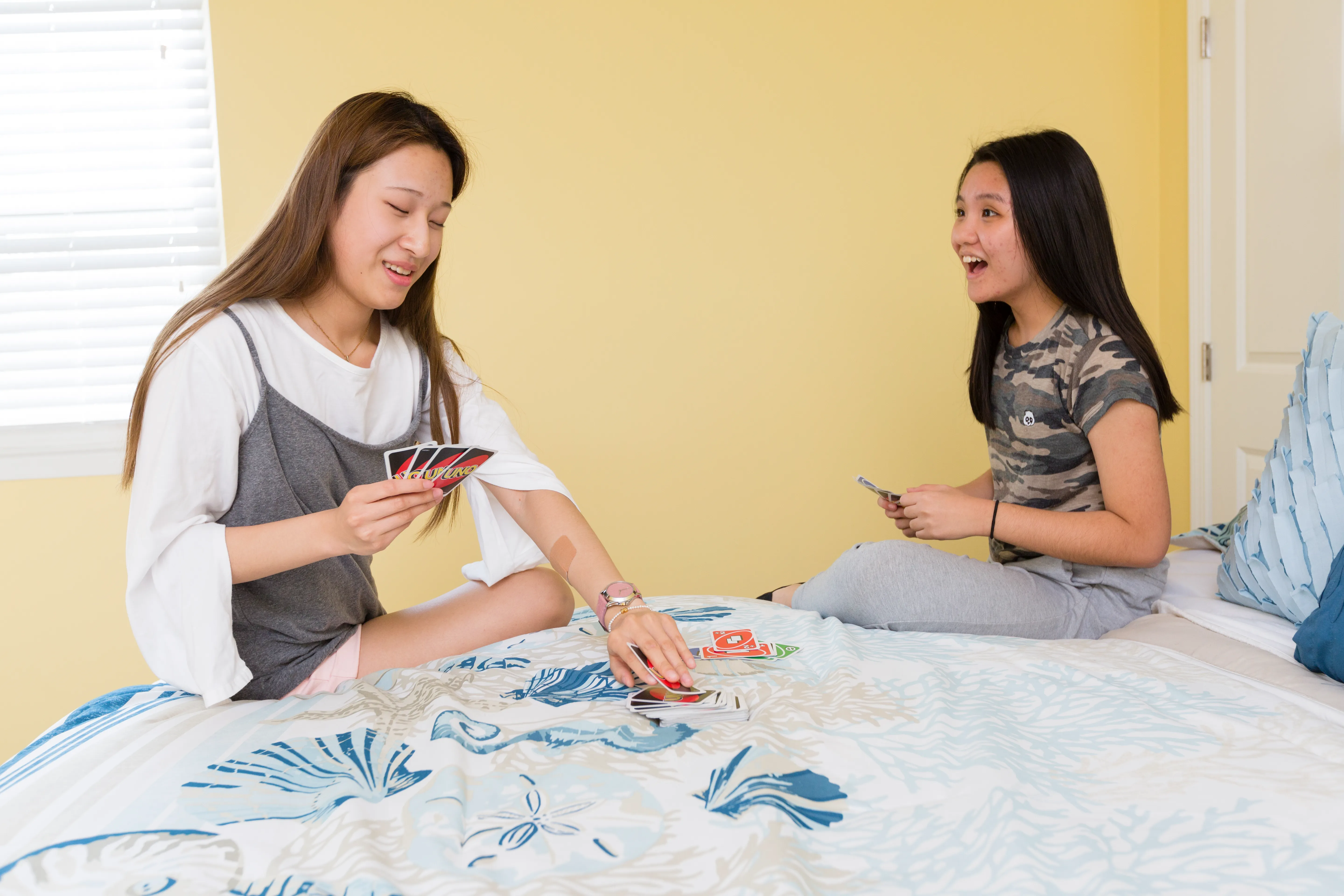
Homestay offers deeper cultural immersion and family-style support, while residence provides structured peer community with 24/7 supervision. Neither option is universally better. The right choice depends on your child's personality: students who thrive on cultural connection and one-on-one attention often prefer homestay, while those who benefit from peer motivation and structured schedules typically excel in residence programs. Quality providers like Amerigo Education offer both options across their 40 partner schools, allowing families to choose based on what will help their child succeed. This guide helps you understand the real differences so you can make a confident decision.
Key Takeaways
- Homestay provides cultural immersion through daily life with American families, accelerating language development and cultural understanding
- Residence programs offer structured peer communities with 24/7 staff supervision and dedicated study spaces
- For minors (ages 14-18), supervised accommodation is essential; independent housing arrangements are not appropriate
- Quality programs offer both options, allowing families to choose based on student personality and goals
- Off-campus residences can provide advantages over traditional boarding schools, including access to top day schools and modern facilities
- The best accommodation includes integrated support regardless of housing type
What's the Difference Between Homestay and Residence for High School Students?
Understanding each option's structure helps families make informed decisions.
Homestay Accommodation
Homestay places students with carefully screened local host families. Students share daily life with their hosts, participating in meals, family activities, and household routines. This arrangement provides a family environment for students who are far from their own parents.
Host families are typically motivated by genuine interest in cultural exchange rather than financial gain. Research published in Foreign Language Annals found that host families help students in three major ways: linguistically, culturally, and psychologically.
Typical homestay structure:
- Private bedroom in family home
- Shared meals with host family
- Participation in family activities and routines
- House rules established by host family
- Transportation to school (varies by program)
Residence Accommodation
Residence programs house students in supervised residential facilities with other international students. Staff members provide oversight, enforce rules, and create structured environments designed for academic success.
For high school students, residence programs differ significantly from college dormitories. According to BoardingSchoolReview.com, boarding school faculty live in dormitories and proactively supervise all students in their care, unlike college resident assistants who take a hands-off approach.
Typical residence structure:
- Private or shared bedroom in residential building
- Common areas for studying and socializing
- 24/7 staff supervision
- Structured schedules including study hours
- On-site or nearby dining facilities
Why Is Supervised Accommodation Essential for High School Students?
The accommodation needs of 14-18 year olds differ fundamentally from college students. Parents sending teenagers to another country need assurance that their children have secure living environments with proper supervision, emergency protocols, and immediate access to adult support.
Safety Considerations for Minors
High school students require structured, supervised environments with appropriate adult oversight. Unlike college students who may manage independent housing, teenagers need immediate access to support for homesickness, cultural confusion, or academic struggles.
Quality programs integrate accommodation with comprehensive support services rather than leaving families to evaluate foreign housing markets remotely or manage contracts in unfamiliar languages.
Why Independent Housing Doesn't Work for High School
Some families consider arranging independent housing to reduce costs. For high school students, this approach creates significant risks:
- No integration with academic support services
- Emergency response through landlords or property management (inadequate for minors)
- Parents cannot evaluate safety remotely
- No structured supervision or accountability
- Isolation from support systems during adjustment challenges
Programs that include managed accommodation eliminate these concerns and provide single points of contact for all support needs.
What Are the Benefits of Homestay for International Students?
Research consistently shows homestay offers unique advantages for language and cultural development.
Cultural Immersion
Living with a host family provides unmatched cultural immersion. Students experience authentic American customs, traditions, and daily life from inside a family unit. According to study abroad research, this exposure fosters deeper understanding and appreciation of local culture than any classroom could provide.
Students participating in homestays observe and participate in everyday practices that accelerate cultural adaptation. From grocery shopping to holiday celebrations, these experiences provide context for understanding American society that residence living cannot replicate.
Language Development
The second language acquisition community has long recognized homestay environments as optimal for language learning. A study published in Foreign Language Annals found that living with host families provides continuous immersive environments with far greater authentic language input than dormitory placements.
Students in homestay arrangements practice English constantly through daily conversations. The informal setting creates a supportive atmosphere where students feel comfortable making mistakes and building fluency through natural interaction.
Family-Style Support
Host families provide emotional support similar to what students receive from their own families. They notice when something seems wrong, offer encouragement after difficult days, and celebrate successes. For teenagers experiencing the stress of studying abroad, this family presence can significantly ease adjustment.
Research shows that host families help students psychologically, providing the sense of belonging and care that supports mental health during challenging transitions.
Cost Considerations
Homestay arrangements are often more affordable than residence programs. Families offering their homes typically aren't motivated primarily by financial gain, keeping costs reasonable. Room and board usually include meals, which eliminates separate food expenses.
What Are the Benefits of Residence Programs for International Students?
Residence programs offer distinct advantages, particularly for students who thrive in structured environments with peer communities.
Structured Academic Environment
Quality residence programs treat dormitory life as an extension of the classroom. Students benefit from supervised study hours, peer motivation, and direct connections between residential and academic staff.
According to a study by The Association of Boarding Schools, 75% of boarding students reported being around motivated peers, compared to 49% of public school students. This peer influence supports academic achievement.
24/7 Supervision and Support
Residence programs provide round-the-clock staff presence. Unlike homestay arrangements where host families have their own schedules and commitments, residence staff are specifically employed to support students.
This constant supervision matters particularly for safety. Staff know where students are, enforce curfews, and respond immediately to emergencies. Parents gain peace of mind knowing professionals are always available.
Peer Community
Living with other international students creates built-in community. Students share the adjustment experience, form lasting friendships, and support each other through challenges. The social connections formed in residence can reduce feelings of isolation.
Residence also provides more opportunities for socializing and group activities. Students living together naturally spend time together, building relationships more quickly than homestay students who return to separate family homes each evening.
Dedicated Study Spaces
Many residence programs include common areas specifically designed for studying. These spaces provide group study opportunities, tutoring access, and academic support from staff members. Students who need homework help can find it without leaving their building.
How Does Off-Campus Residence Compare to Traditional Boarding Schools?
Some families assume that traditional boarding schools provide superior residence experiences. The reality is more nuanced.
Traditional Boarding School Limitations
Traditional boarding schools often have significant drawbacks for international students:
- Remote locations far from cities and conveniences
- Very limited spots for international students
- Older facilities that may lack modern amenities like air conditioning
- Highly exclusive admissions that restrict access
- Few top day schools offer boarding options
Off-Campus Residence Advantages
Quality programs with off-campus residences can actually provide better experiences by enabling access to academically excellent day schools that don't offer boarding. This opens opportunities at schools international students couldn't otherwise attend.
Modern off-campus residences can rival the best traditional dormitories with purpose-built facilities, single-gender units for student comfort, and 24/7 professional staff supervision. The key is whether the program provides comprehensive support regardless of whether residence is on campus or nearby.
Amerigo Education's model illustrates this approach. Most of their US residences are off-campus, located within 20-30 minutes of partner schools. These facilities feature single-gendered units with 24/7 staff supervision and dedicated common areas where students can study together or receive academic support.
How Do You Choose Between Homestay and Residence?
The right choice depends on your child's individual needs and your family's priorities.
Consider Homestay If Your Child:
- Values cultural immersion and wants authentic American family experience
- Learns languages best through constant conversational practice
- Prefers family environments with adult guidance and support
- Is comfortable adapting to others' household routines
- Benefits from one-on-one attention and personalized support
- Wants exposure to American customs, traditions, and daily life
Consider Residence If Your Child:
- Thrives in structured environments with clear schedules and rules
- Benefits from peer community and learns well with motivated classmates
- Prefers independence within supervised settings
- Needs on-site academic resources like study groups and tutoring
- Values social connections and building friendships quickly
- Wants 24/7 staff access for questions and support
Questions to Discuss With Your Child
Before deciding, have honest conversations about:
- How do you feel about living with a family you don't know?
- Do you prefer more structure or more flexibility in daily routines?
- How important is having other international students nearby?
- What kind of support helps you most when you're struggling?
- How comfortable are you with adapting to others' rules and expectations?
What Should Parents Look For in Either Option?
Regardless of housing type, certain elements indicate quality accommodation.
Essential Features for High School Student Housing
Safety and supervision:
- Background-checked host families or trained residence staff
- 24/7 emergency contact availability
- Clear protocols for safety concerns
- Location tracking technology that parents can access (such as Life360 or Reach)
Academic integration:
- Connection between housing and academic support services
- Study spaces and homework help access
- Communication between residence staff and teachers
- Regular academic progress monitoring
Communication with families:
- Regular reports to parents (monthly reports with real-time outreach for urgent matters)
- Local-language communication options for non-English speaking parents
- Clear points of contact for concerns
- Transparent policies and expectations
Support services:
- Homesickness intervention
- Cultural adjustment assistance
- Stress management support
- Activities and experiences beyond academics
Red Flags to Avoid
Be cautious of programs that:
- Offer only housing without integrated support services
- Cannot explain their supervision structure clearly
- Don't have emergency protocols for minors
- Require families to arrange housing independently
- Have no system for family communication
Can Students Switch Between Homestay and Residence?
Quality programs allow some flexibility as students' needs evolve.
Students who start in residence might later prefer homestay for deeper cultural immersion. Others might begin with homestay but find they need more structured peer community. Programs that offer both options provide this flexibility.
Discuss switching policies before enrollment. Understand what circumstances would allow changes and what the process involves.
Frequently Asked Questions
Is homestay or dormitory better for international high school students?
Neither option is universally better. Homestay provides deeper cultural immersion and family-style support, while dormitory residence offers structured peer community and 24/7 staff supervision. The right choice depends on your child's personality, learning style, and what kind of environment helps them thrive.
What is the safest housing option for international students under 18?
Both supervised homestay and residence programs can be safe when run by quality organizations. Key factors include background-checked hosts or trained staff, 24/7 emergency support, clear safety protocols, and parent communication systems. Avoid independent housing arrangements for minors.
Do international high school students live on campus?
Some do, but many quality programs use off-campus residences near partner schools. Off-campus residence can actually provide advantages, enabling access to top day schools that don't offer boarding while still providing supervised, supportive housing.
Is homestay cheaper than dormitory for international students?
Homestay is often more affordable because host families typically aren't motivated primarily by financial gain. However, costs vary significantly by program and location. Compare total costs including meals, transportation, and support services rather than just base housing fees.
How do I know if my child is ready for homestay?
Students who thrive in homestay are typically adaptable, open-minded, and comfortable with new social situations. They should be willing to follow host family rules, participate in family activities, and communicate respectfully even when uncomfortable. If your child struggles with flexibility or strongly prefers independence, residence might be a better fit.
What happens if my child doesn't get along with their host family?
Quality homestay programs have coordinators who mediate issues and can arrange alternative placements if relationships aren't working. Before enrolling, ask about the program's process for addressing host family concerns and how quickly they can make changes if needed.
Conclusion
Accommodation significantly impacts your child's study abroad experience, from daily comfort to academic success and cultural adaptation. Both homestay and residence can work beautifully for the right student.
Amerigo Education offers both homestay and residence options across their 40 partner schools in the US and Canada. Their homestay program provides careful student-host matching with ongoing safety oversight, while their residence programs feature single-gender units with 24/7 staff supervision and dedicated study spaces. Regardless of housing type, all students receive Amerigo's comprehensive academic support, university counseling, and 360° care.
Learn more about Amerigo's accommodation options
Explore Amerigo's partner schools
This article provides general guidance on accommodation choices for international high school students. Individual circumstances vary, and families should discuss specific needs with program advisors before making decisions.